

Private Label Manufacturers: Current Research Shortlist
Compare 11 direct manufacturers by product, minimum order, and delivery handoff, then validate quotes with samples and demand checks.
Private label manufacturers make goods that another business sells under its own brand. The item, order size, destination, package, and shipping route should drive your choice. A current page can qualify a company for research, while your quote, sample, and live order decide whether it gets the business.
My print-on-demand apparel store taught me to check shipping claims before listing an item. On September 9, 2026, I checked the live article and each official supplier page. Account-only quotes and order samples were out of reach. This shortlist rests on public evidence.
Key takeaways
Which private label manufacturers are worth checking?
Current evidence separates the 11 retained direct manufacturers from five moved or removed legacy entries. The strongest candidates publish their identity, product route, and enough detail to support a written quote. Private label can start with a stock formula in your package or use a changed base or your own product spec.
The supplier's job extends past production. Packing, storage, delivery, support, and returns shape what your buyer gets. Shopify's supplier guidance calls for test orders. A test shows packing quality, dispatch speed, tracking, invoices, and replies.
Every missing term can add cost or risk.
A polished page shows what the company sells. Your batch and damage remedy require separate proof.
Our supplier selection checklist helps you record those gaps without treating silence as a good sign.
The new shortlist contains direct makers with active official pages. Dropship.io, Alibaba, AutoDS, and DHgate still help with research or sourcing. The named maker behind each item remains a separate check. I removed My Private Label because no current business page backed its old UK claims.
11 private label manufacturers to check
These 11 manufacturers cover different products, order levels, and delivery models. Use those three factors to find the best starting point for your store.
The profiles appear in this order,
- Genie Supply: Beauty products with stock, semi-custom, and custom routes.
- Makers Nutrition: Supplements with optional e-commerce fulfillment.
- Tropical Labs: Personal, household, pet, and topical products.
- Cosz Cosmetics: Cosmetics made through UK or China routes.
- Kingfisher: Private-label building chemicals and coatings.
- Bondi Beach Tea: Tea with white-label and dropshipping options.
- Australian Private Label: Beauty and wellness production in Australia.
- Rumble Coffee Roasters: Branded coffee for Australian businesses.
- Canadian Co-Packing: Dry foods packed for warehouse delivery.
- Delon Laboratories: Commercial-scale beauty and topical production.
- All Things Jill: Customized bath, body, home, and pet care.
Start with the category that matches your product, then compare the candidates in the table below. Pick two or three that fit your planned run and delivery route.
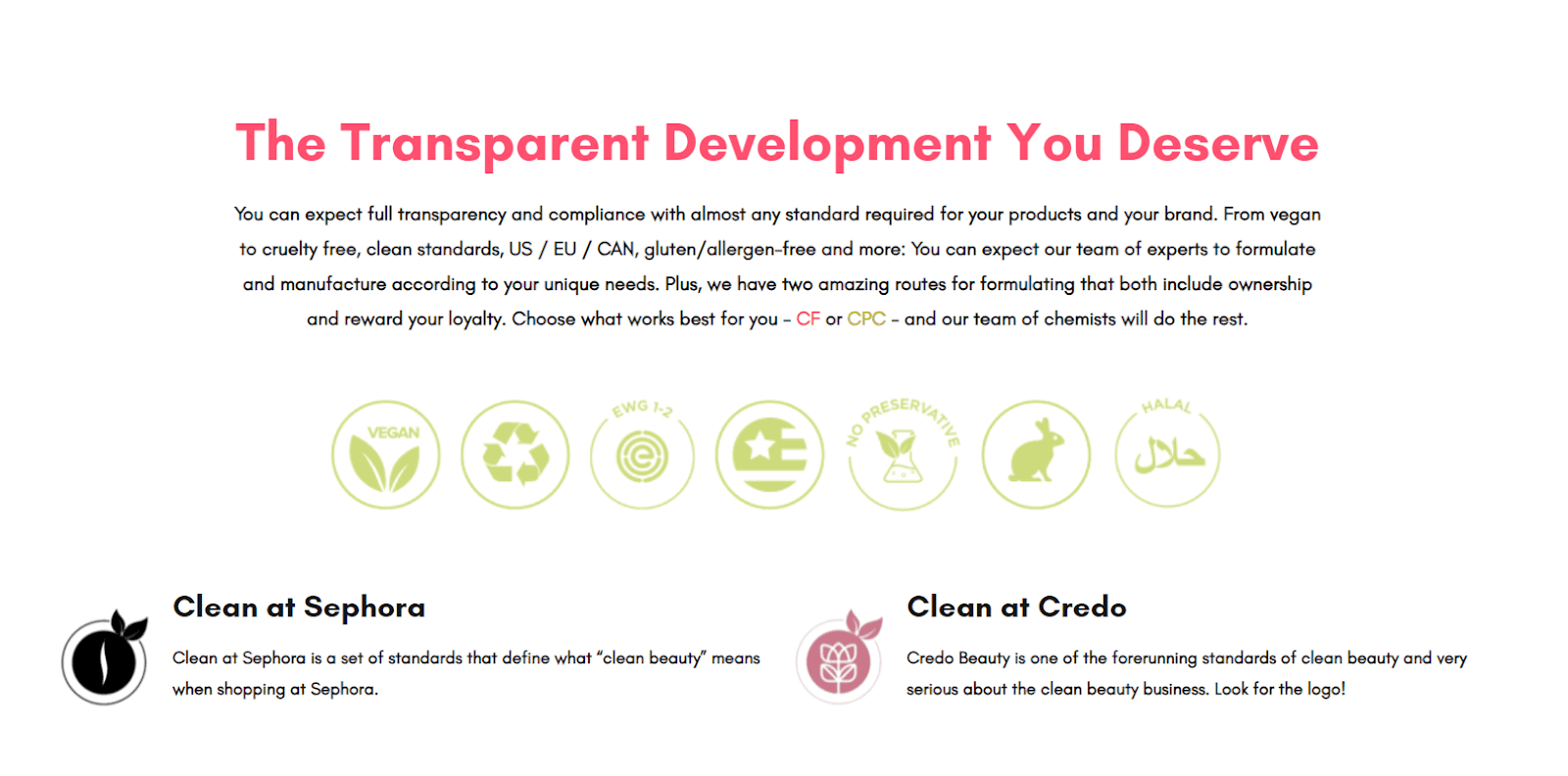
1. Genie Supply for beauty products
Genie Supply fits US beauty brands that want a ready formula or a path to custom work. The business now presents its factory work through Innacos Labs. Its current pages cover cosmetics, skin care, samples, packing help, and contract work.
Its manufacturing comparison splits out each stage. The public schedule gives three useful anchors,
- Sampling and ordering: 3 days to 2 weeks.
- Batching: 2 to 4 weeks.
- Cost at MOQ: According to Innacos, $2,500 to $7,000.
You can price each step instead of trusting one vague lead time. Package, size, and unit choices change the final amount.
This route poorly fits a seller who needs no minimum or returns on made-to-order stock. Its current FAQ says minimums vary. It also says made-to-order goods can't be returned or exchanged. Match the quote's legal name to the invoice and payment account.
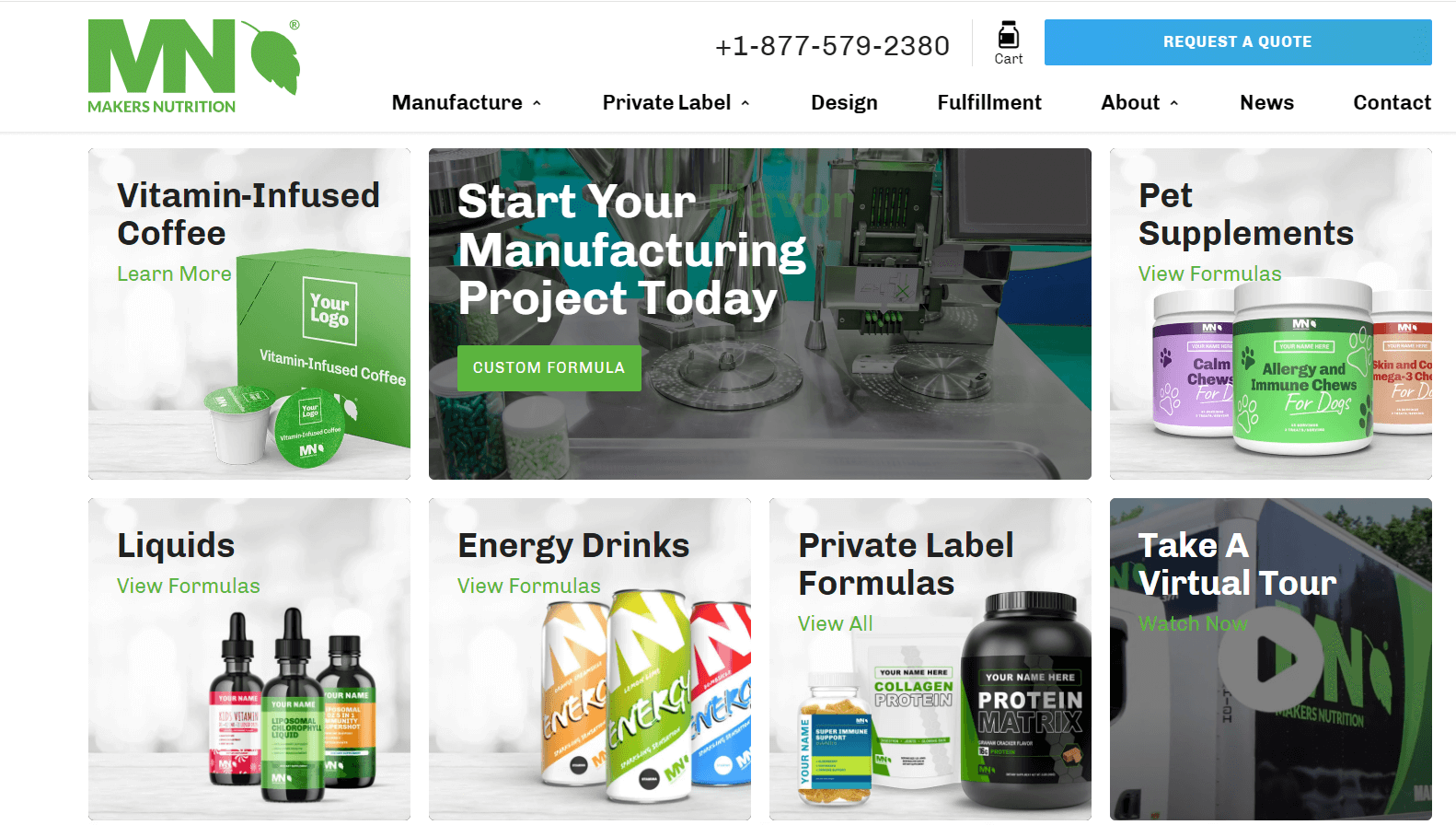
2. Makers Nutrition for supplements
Makers Nutrition fits supplement brands that want production, branded stock, and order shipping from one firm. Its official page covers stock and custom formulas. It also lists label design, packing, tests, storage, and shipping for branded goods.
The key split is who owns the stock. Makers can ship a one-bottle order once your brand has produced and stocked its labeled item. Its current supplier FAQ rules out listing an unlabeled house item and forwarding each sale.
This route suits a brand with a set formula or stock-item choice. You also need enough cash for a run. A pure no-stock test fits poorly. Get price, minimum, storage, timing, shipping, return, and replacement terms in one quote.
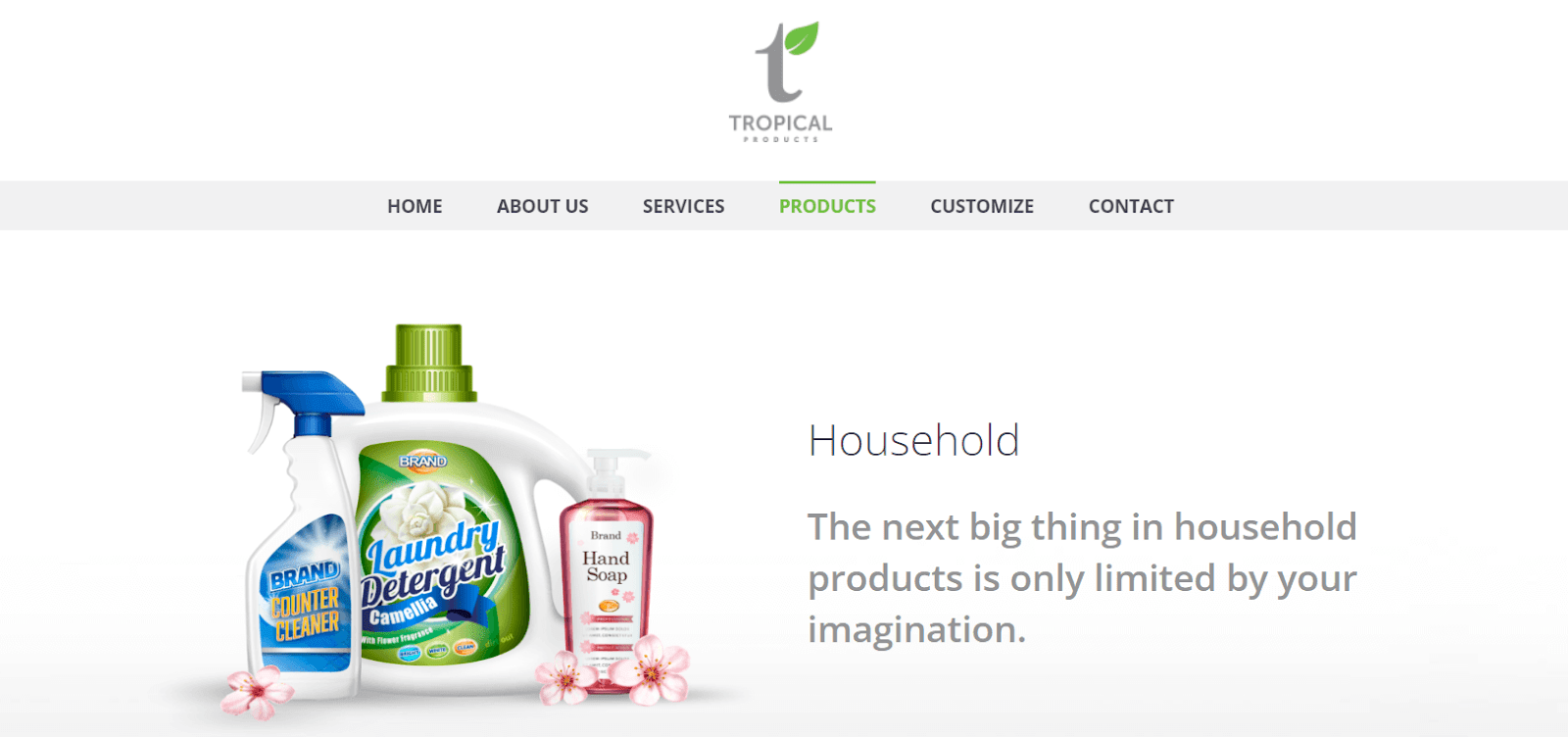
3. Tropical Labs for personal and household care
Tropical Labs fits brands comparing several routes for personal, home, pet, plant, and skin products. Its site splits private label from ready-to-finish work and full product work. That split helps you ask for the right quote.
The official company page identifies a Florida maker. Its form asks for the product, first amount, yearly amount, sales channel, target cost, and launch route. Those fields show that the item and volume shape the quote.
The site leaves its minimum, sample fee, timing, shipping, returns, and replacement steps open. This route poorly fits a buyer who needs set terms before a call. Ask for each missing field in one message. Keep the reply with your sample record.
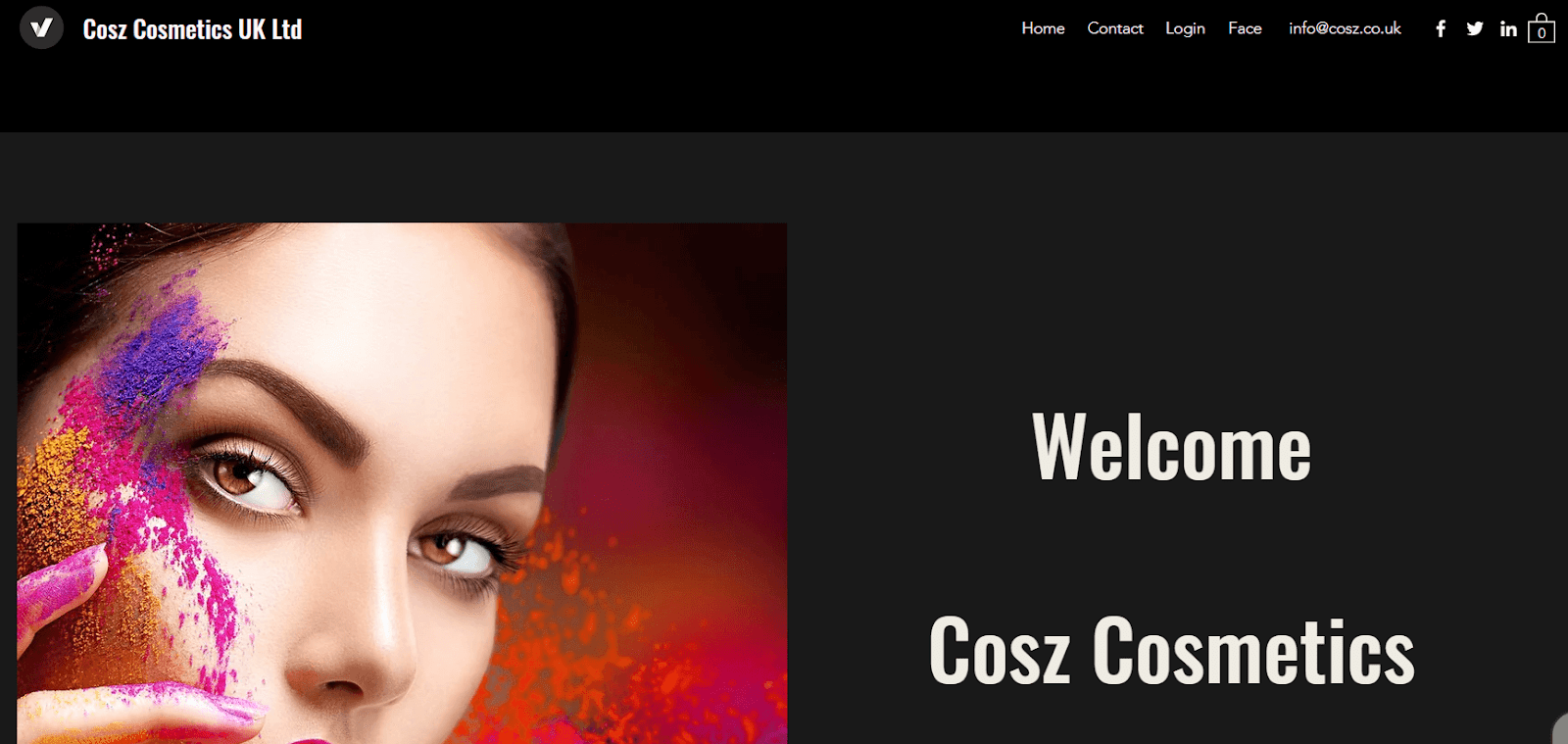
4. Cosz Cosmetics for cosmetics
Cosz Cosmetics fits brands that can fund a category-sized run and hold the finished stock. The company offers face, lip, eye, scent, nail, lash, brush, skin, and hair goods. It uses UK or China production.
Its official ordering page asks for a sample or image and your design. The sample deposit is £300 and is refunded after an order is placed. You then approve the sample before the factory deposit, final payment, and shipment. Each step gives you an approval point before the factory makes the goods.
Minimums vary a lot by category. The page lists 50 units for some makeup tools and 6,000 to 12,000 for many face products. Compare your category's minimum with your planned run. Storage, store links, one-order shipping, delivery times, and returns remain open.
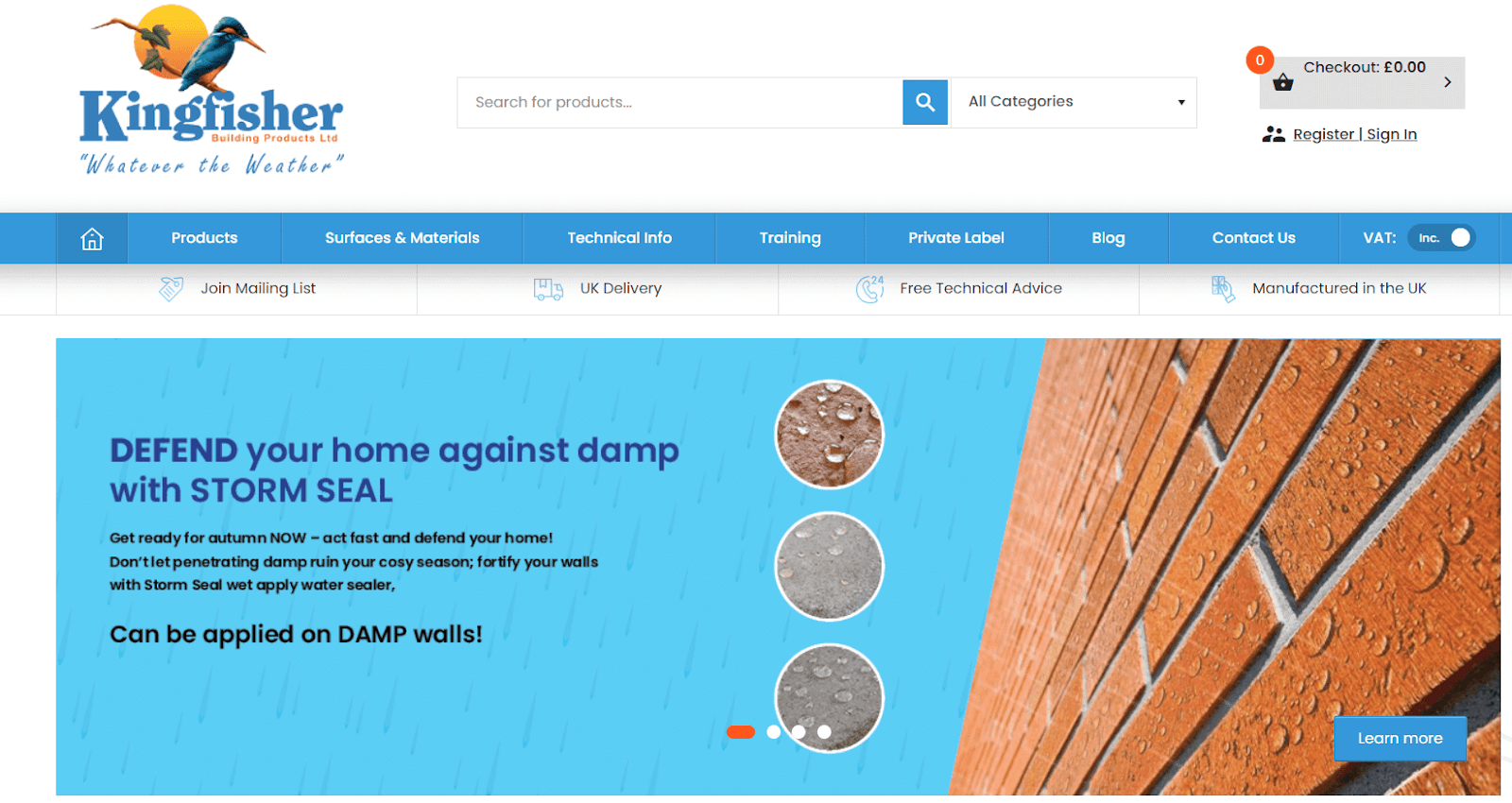
5. Kingfisher for building products
Kingfisher fits UK trade brands that need private-label liquids, coatings, sealants, or building treatments. This is the narrowest category in the list, which makes its catalog easier to match to a specific building product.
Kingfisher's contract-manufacturing page offers private label, drop shipping, and toll work. It shows stock container sizes. The page also names small runs, packing, and UK work.
However, the page doesn't give a minimum, sample route, quote time, delivery range, returns, or damage remedy. Kingfisher poorly fits a general store. It also needs a buyer who can review a chemical sample. Confirm the shipper and buyer-order route before you trust the drop-shipping label.
6. Bondi Beach Tea for tea
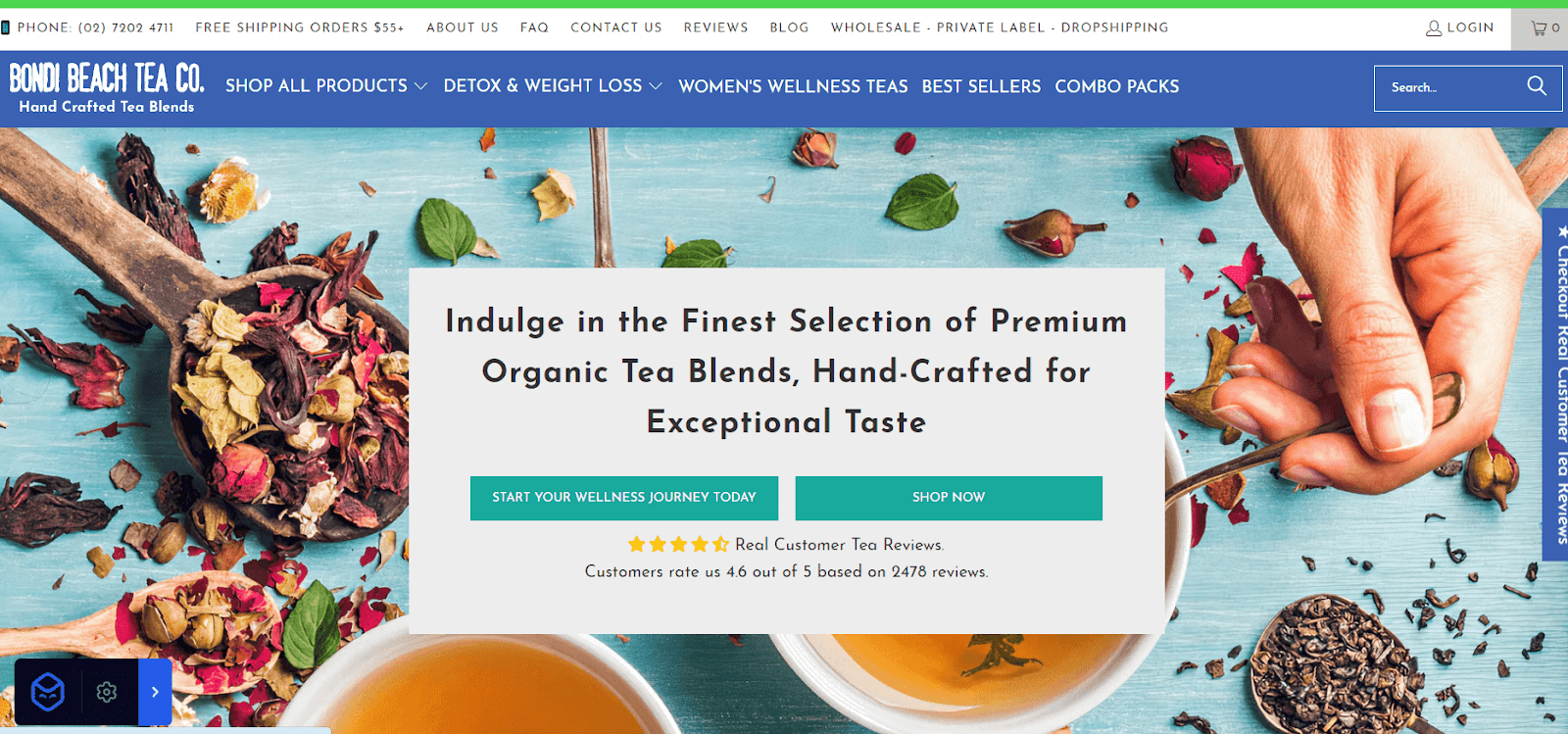
Bondi Beach Tea fits tea brands that want blends, private labels, and global dropshipping from Sydney. Its narrow category lets you compare the product and parcel together.
The company's current private-label page names white-label tea, custom blends, and global order shipping. Its contact page gives a separate email for private-label and dropshipping questions. That route lets you ask for written terms.
Bondi's pages don't state the minimum, setup cost, pack choices, timing, shipping range, returns, or remedy. Those blanks weaken a launch with a fixed budget. Ask for a destination quote and buyer-facing parcel terms before you order a sample.
7. Australian Private Label for personal care
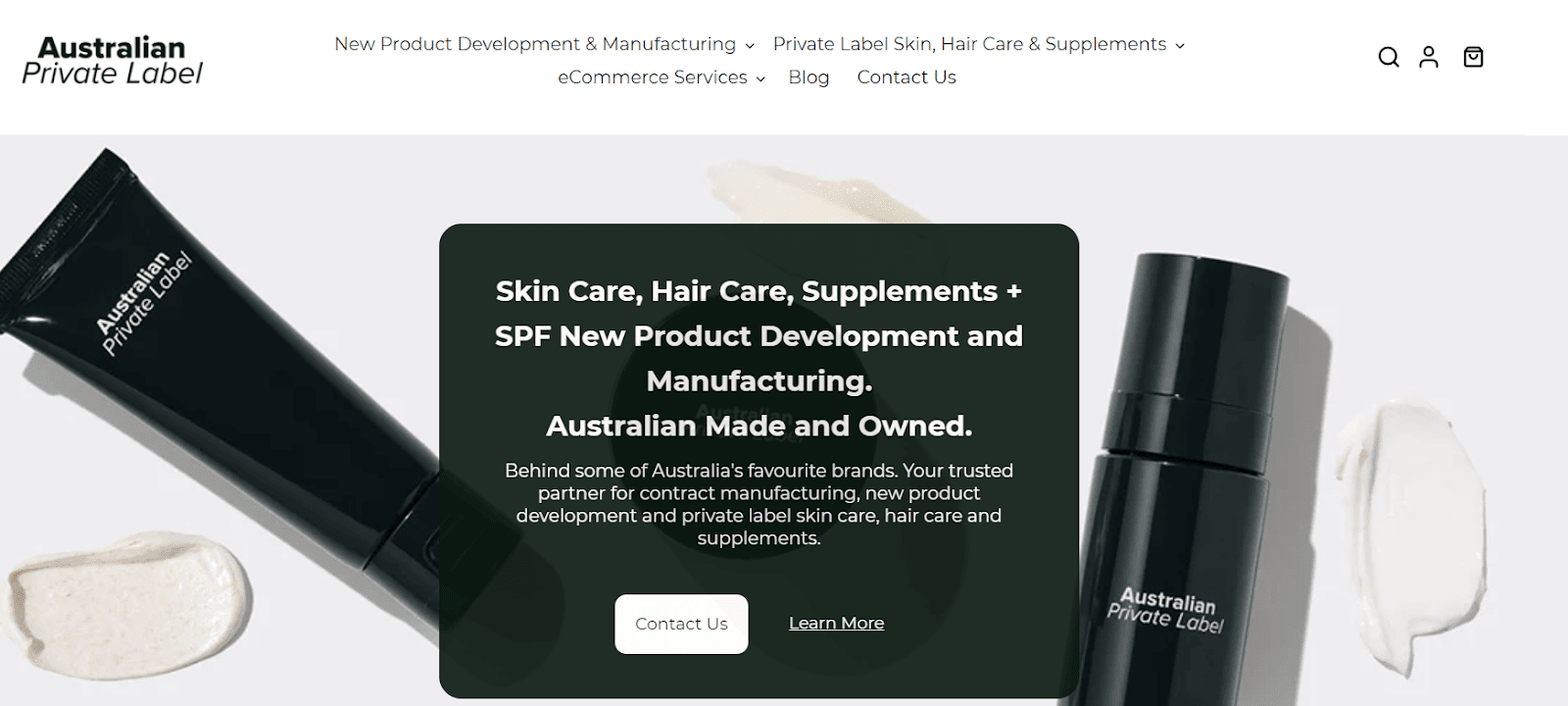
Australian Private Label fits beauty and wellness brands ready to move from samples into an Australian production run. Its current routes cover skin, hair, body, supplements, cosmetics, and some sun-care work.
The $500 sample program starts private label with an existing product base. Production starts from 2,500 units. Your brand owns its art and buyer-facing assets, while APL keeps the base formula. Custom work is the route to owning a separate formula.
This maker suits a brand that can supply packaging and fund a run. It poorly fits a no-stock test. APL publishes a separate pick-and-pack service. Get a written shipping lane, storage quote, return path, and live test for your item.
8. Rumble Coffee Roasters for coffee
Rumble Coffee Roasters fits Australian businesses that want branded coffee and can hold stock after dispatch.
The private-label coffee page publishes a 10 kg MOQ, $38 to $40 per kg, and next-day dispatch after Monday-to-Thursday roasting.
It also lists blends, bags, labels, and a sample. The program is only for Australian businesses.
Choose Rumble when you can receive and fulfill branded coffee stock in Australia. I wouldn't use it for a store that needs consumer dropshipping, which Rumble says it doesn't offer. That store needs a separate coffee supplier with a checked buyer-delivery route.
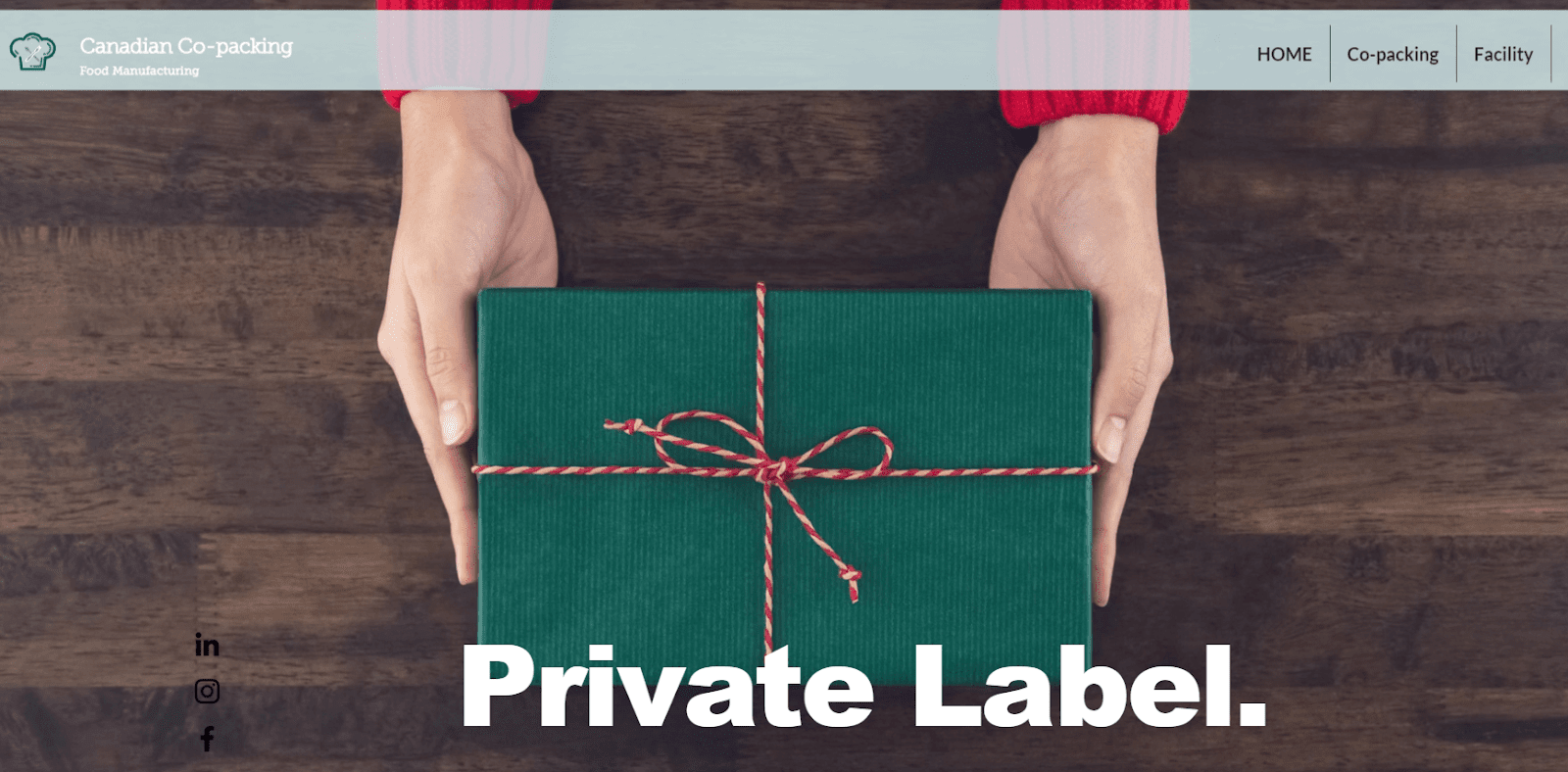
9. Canadian Co-Packing for dry foods
Canadian Co-Packing fits brands that send dry-food runs to their own warehouse or distributor. Its current catalog includes granola, powder mixes, nuts, dried fruit, gummies, and trail mix. Several pack types are available.
The company's official FAQ gives a usual minimum of 2,000 to 5,000 units. Its seasonal lead time is 10 to 14 business days. The site limits the plant to dry goods. Jams, dips, and other liquid foods are excluded.
The site confirms shipment to a warehouse or distributor. It lists no route for single buyer parcels. That makes it a poor fit for no-stock dropshipping. Ask about samples, unit price, labels, freight, storage, batch fixes, and damaged goods.
10. Delon Laboratories for scaled beauty production
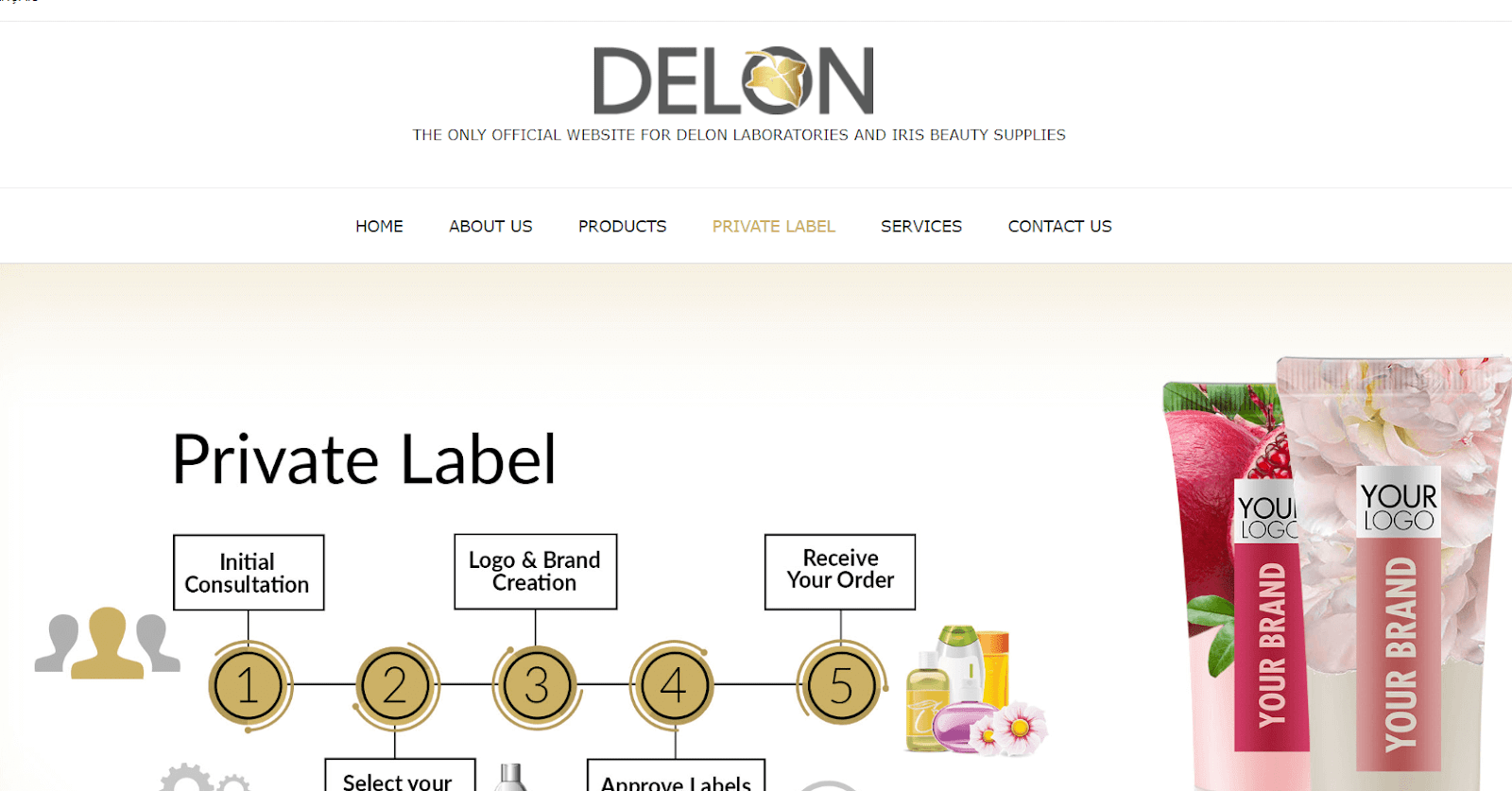
Delon Laboratories fits proven beauty and personal-care brands that need commercial production. Its current site covers stock bases, custom work, contract runs, packing, samples, pilot batches, storage, and trade delivery.
The official capabilities page gives a clear shipping boundary. Delon serves distribution centers and retail work.
Delon suits larger runs that need strong product controls and trade delivery. It doesn't ship to consumers, so it poorly fits an early one-order test. Ask for the minimum, pilot cost, schedule, destinations, returns, and batch remedy. Compare those terms with any smaller lab you consider.
11. All Things Jill for bath and body
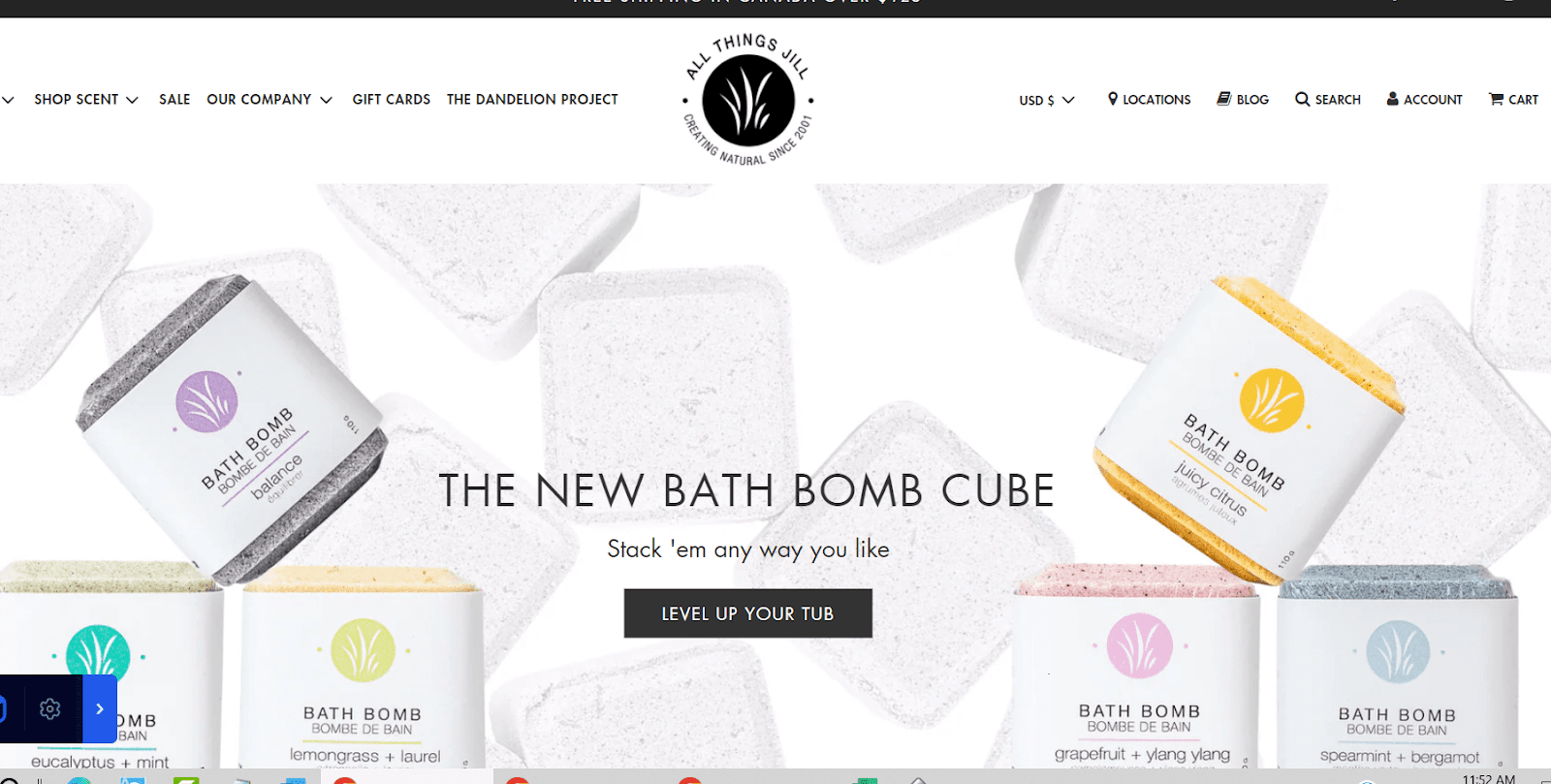
All Things Jill fits Canadian brands that want custom bath, body, home, or pet-care goods. Its product range gives you a focused option beyond a broad marketplace search.
The official private-label page names recipe work, scent matching, custom packs, labels, and several container types. A Calgary address and direct sales contact give you a current business route.
Its capacity notice is old. Public minimums, samples, timing, buyer shipping, destinations, and remedies remain unclear. Treat it as a quote-stage lead until the company confirms current capacity. Keep a backup maker until a signed quote and sample settle the open fields.
Every remaining name now faces the same four-stage test.
Run the Private Label Manufacturers Proof Sequence
Verify the requirement, supplier claims, sample, and live-order route before funding production. Each stage reduces uncertainty before the next one consumes time or money.
Run the stages in this order,
- Confirm the operating requirement: Fix the product and customer promise.
- Verify the current claim: Match public facts to the company and route.
- Compare a sample and terms: Test the item against the written agreement.
- Test and re-check: Send one live order through the planned path.
Use the output of each stage as the input to the next.
1. Confirm the operating requirement
Write the product, destination, stock model, package, delivery promise, and return owner before contacting manufacturers. These fields turn a broad search into one sourcing job.
Build the requirement in this order,
- Fix one stock-keeping unit and one destination.
- Name who ships each buyer order.
- Attach the package files you control.
- Set the sample standard for formula, variant, package, art, and defect limits.
- Name the fix for goods that miss it.
The minimum order quantity (MOQ) is the smallest run the maker will accept.
Use our guide to find dropshipping suppliers when you still need leads.
Keep this stage on the requirement. A larger list won't fix an undefined product.
2. Verify the supplier's current claim
Tie each public claim to the company, product route, destination, and check date. Save the page, address, contact route, and the supplier's own terms for making and shipping goods.
A supplier evidence card is a dated record of the company, product route, destination, source, and open terms. Give each field one status,
- Mark public facts "Public."
- Mark written answers "Confirmed in writing."
- Mark every blank "Unresolved."
A marketplace badge or old image can identify a lead. Only the named maker's current page or written answer can confirm the claim.
Empty fields tell you what to ask. Don't publish a shipping time until the supplier has confirmed it for the planned route.
3. Compare a sample and written terms
Order the formula, variant, and package you plan to sell, then check it against the written spec.
Keep the sample check in one record,
- Compare the formula, variant, color, scent, feel, and use with the approved spec.
- Check the label, seals, and parcel.
- Log tracking, transit, and damage.
- Store the quote and approved art.
- Add timing, payment dates, quality fixes, and returns.
- Name who owns each replacement.
- Record the processing and delivery range.
- Get packaging and blind-shipping confirmation in writing.
Ask the maker to fix conflicts before you pay the factory deposit.
If the sample uses a substitute pack, leave the package result open. A good formula in a temporary bottle can't prove the buyer's experience. It can't show the real parcel's breakage risk either.
4. Test one live order and re-check
Send one order through the same storage, picking, shipping, tracking, support, and return path your buyer will use. A sample sent to you tests the item, while the live route tests the service around it.
Save each event in the live test,
- Record the dispatch event and carrier scan.
- Save the delivery time and pack condition.
- Keep the support reply.
- Re-check the page and quote for each new item.
- Repeat the test after a major route change.
One parcel proves that the stated route worked once. Keep the backup candidate. Check later orders against the same record.
Compare scope and alternatives
The manufacturer shortlist and the legacy alternatives solve different sourcing jobs. Direct makers give you more control over production. Marketplaces supply leads. Software helps with orders. Dropship.io supports product and store research.
The matrix shows what each current route publicly supports:
Use our dropshipping supplier options for single-order resale, including Alibaba-led routes.
Choose a direct maker when you need more product control.
Summary: Keep manufacturers in the shortlist, and treat tools or marketplaces as lead sources.
Check total cost and finished-goods handoff
A viable quote includes every cost and handoff needed to place one sellable order in the buyer's hands. Landed cost changes by destination. Start with the item and package. Then add freight, storage, picking, delivery, payment timing, returns, and replacements.
Suppose two makers quote the same finished product. Use one destination and order size for both. Keep unknown charges visible:
Quote A costs more after all listed costs, including the return reserve, are added. Another destination, pack, order size, or return rate can reverse the result.
Ask both finalists for matching written quotes. The amounts above only show the method.
Shop Library can speed up the demand check. Its shop, product-mix, sales, revenue, growth, and category fields are demand proxies.
The tool can't prove who made an item. Product quality, shipping, and returns still need supplier proof.
Use our Shop Library demand fields before you fund a run, then keep the supplier choice in your evidence record.
Summary: Choose the quote that supports the full customer path, then test it.
Know when to reject a private-label route
Reject a manufacturer when its identity, sample, written terms, or delivery path can't support your buyer promise. A stop rule keeps a good catalog or cheap unit price from settling the wrong question.
Apply the same rejection rules to every candidate,
- Reject a payment account that doesn't match the contracted business.
- Reject a sample that misses the approved formula, item, or package.
- Pause when production timing or minimums remain absent from the quote.
- Reject a delivery route with no named shipper or remedy owner.
- Pause when return and replacement responsibility remains unclear.
- Replace a candidate whose live order misses the written promise.
A failed sample removes that product and maker pair. It doesn't prove that every route in the country or category will fail. Record the reason and move to the backup. Apply the same formula, package, defect, and delivery standards to the replacement.
I recommend losing a cheap quote before launch. Do that when the supplier won't name the fix for a bad batch. The same applies to a damaged order. Several official pages leave those terms open. Written answers and a sample belong in the decision.
FAQ
When should I re-check a supplier after launch?
Check the supplier before each new item, destination, or shipping change and once within 12 months. Repeat the live-order test when a key term, warehouse, package, or carrier changes.
Can two suppliers fulfill the same product?
Two suppliers can support one product when each passes its own sample, cost, pack, and delivery test. Keep their stock-keeping units and terms separate so the backup doesn't inherit the main supplier's assumptions.
What if the sample and live order differ?
Pause sales, save both records, and ask the manufacturer to explain and fix the difference in writing. Reject the route when the live item or parcel can't meet the approved standard.


