

Dropshipping Toys: Validate Before Listing
Compare five toy candidates and four supplier options, then use a structured record to check product safety, supplier evidence, and fulfillment before listing.
Dropshipping toys means selling toy products while a supplier ships each order to the customer.
I've run one-time-product Shopify stores. Toys raise the same issue I learned from print-on-demand. You have to prove what the buyer receives and when it arrives. Plan for supplier mistakes too.
This guide gives you five toy candidates and four supplier options. It also gives you a Toys Validation Record to use before listing.
Key takeaways
What makes toys worth testing?
Test a toy only when it has demand evidence, workable costs, reliable fulfillment, and a completed risk screen. A broad toy category gives you a starting point. You still need evidence for the exact product. Use the same checks for every candidate so the comparison stays fair.
Match proof to the buyer's reason,
- Birthday gift: Check whether the supplier can meet the promised date.
- Toddler play: Collect stronger age, construction, and safety evidence.
- Collectible: Check names, artwork, packaging, and brand permissions.
- Pet entertainment: Verify materials, size, and intended use.
Buyers still expect the item to match the photo and listing details.
Record the product, source, market, and pull date. Add the supplier, landed cost, delivery range, return path, and risk notes.
Run the exact product through our product research workflow.
A catalog image can hide small parts, copied artwork, or weak construction. Slow shipping creates another risk. These problems can make a toy hard to sell and likely to cause returns.
Shortlist toy products
Shortlist snake toys, kids' play tents, custom plush toys, wooden building blocks, and magnetic drawing boards.
Review these five products,
- Snake toys
- Kids' play tents
- Custom plush toys
- Wooden building blocks
- Magnetic drawing boards
Compare demand, supplier evidence, landed cost, shipping, returns, and risks. Then choose one product to investigate.
1. Snake toys
Snake toys are worth checking when a distinct motion, material, or play feature is easy to show. Treat each one as a new product rather than assuming every snake toy serves the same buyer.
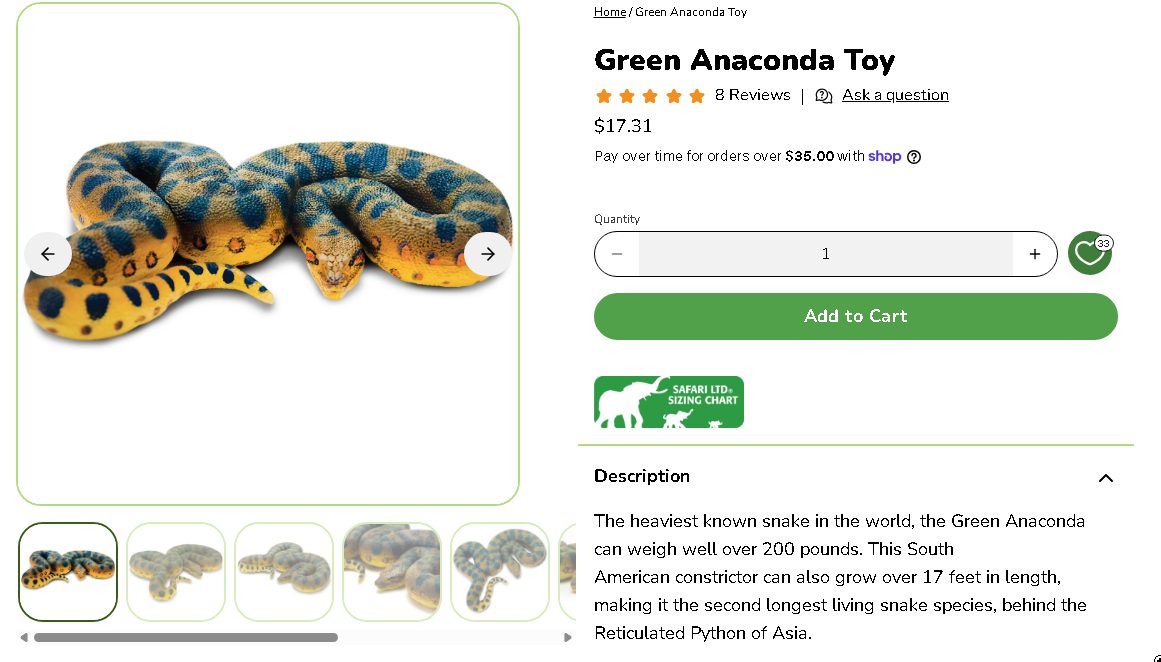
Check whether the product has detachable parts, sharp points, printed characters, or copied animal designs. For products aimed at young children, start with CPSC small-parts guidance. Record the age label, intended use, and any parts that can come loose.
Customers have little reason to choose the same product and photos. A lower price becomes the only difference.
For the first pass, record,
- Motion or feature shown in the listing
- Material and age guidance from the supplier
- Product photos you can use with permission
- One reason your offer differs from clones
2. Kids' play tents
Kids' play tents are worth checking when the supplier documents the size, fabric, folding parts, and shipping package. The clear bedroom, playroom, or outdoor use case gives you a specific buyer to target.
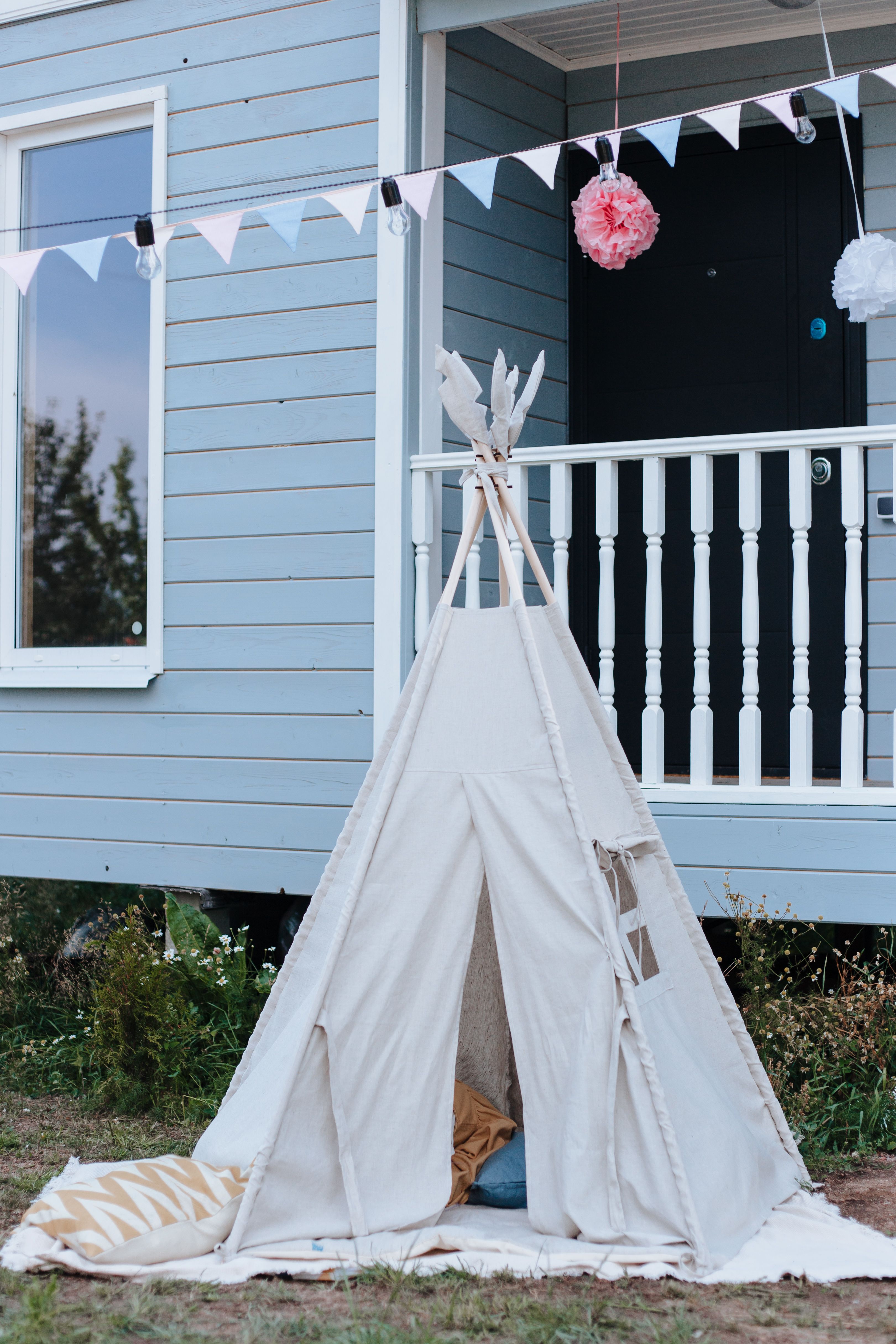
Separate shipping facts from product-use details,
- Record the folded size, package weight, delivery cost, and return terms.
- Check the fabric, setup instructions, folding parts, and available spares.
The offer also needs a clear room-use promise. Buyers will ask where the tent fits. State whether it folds away or works outdoors. Vague dimensions will create support tickets.
Use the CPSC Business Education Library to find current guidance. Match it to the exact tent, age group, and features.
3. Custom plush toys
Custom plush toys work best as a candidate when the design, texture, or personalization gives buyers a reason to choose your listing. A plain stuffed toy is easy to copy.
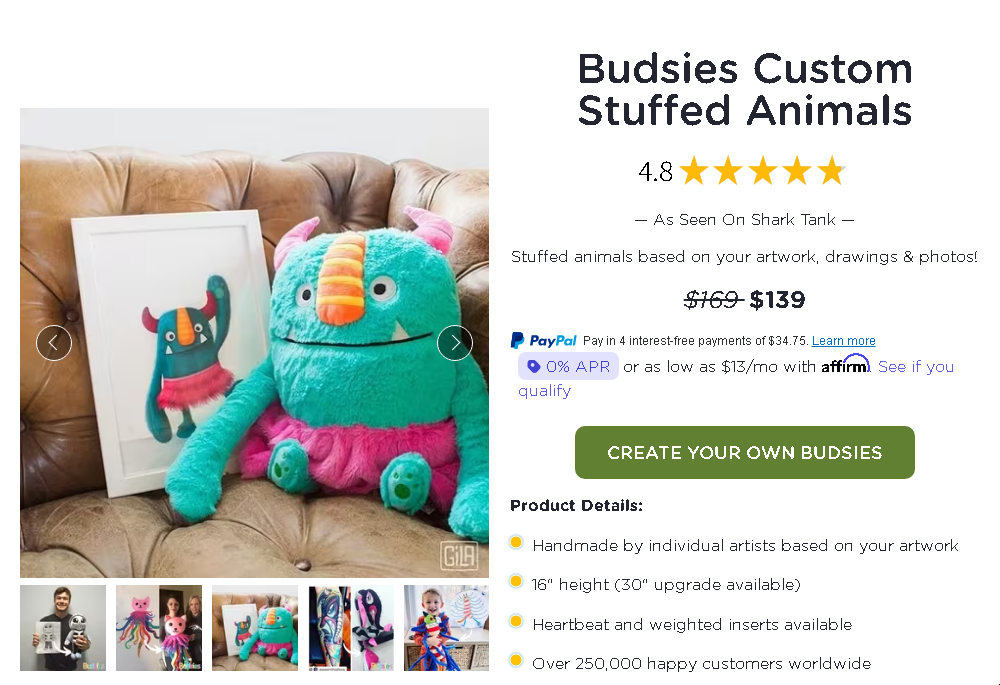
Ask for close-up photos of seams, stuffing, tags, and packaging.
For a child-focused plush item, record the stuffing, small objects, and accessible points. Then review current stuffed-toy guidance.
A bad sample, weak seam, or smaller-than-shown plush toy can create refunds fast.
Custom plush also adds design risk. A mockup can make the item look bigger or softer. Put the sample beside a common object before you approve photos.
4. Wooden building blocks
Wooden building blocks are a better candidate when the set has clear age guidance, piece sizes, materials, and finish details. Buyers who want an educational toy will expect those facts to be easy to find.

Request the wood type, coating, paint, varnish, and piece dimensions. Record the finish on the exact product so you can check the right current guidance.
The finish determines what you need to check. Record whether the blocks are painted, stained, dyed, treated, or unfinished.
Simple letters, numbers, or shapes make the set easier to explain.
Check branded characters or copied artwork as a separate rights risk.
5. Magnetic drawing boards
Magnetic drawing boards need a product-specific magnet and small-parts check. Parents can understand the drawing benefit quickly, but the board's construction changes what you need to verify.
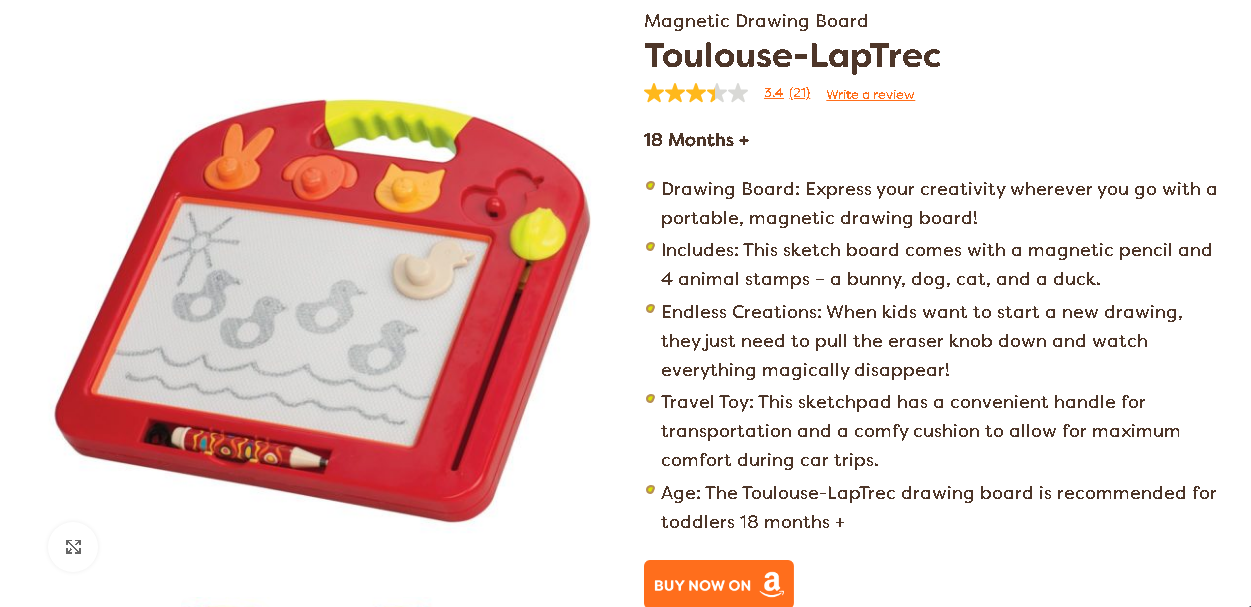
Ask whether the stylus, beads, slider parts, screws, or magnets can detach. Use CPSC magnet guidance to identify the product details you need to verify.
Reject a board when the supplier can't explain its magnet construction. Get the answer in writing.
Promise only what you can show, such as reusable drawing or quiet play. Save broader learning claims for products with claim-specific evidence.
Keep the same product name and pull date when you find winning products across sources.
Check suppliers and fulfillment
Compare each supplier's product files, handling time, delivery range, return process, and sample quality before listing.
Compare these four supplier options,
- Spocket, broad supplier marketplace
- Printify, print-on-demand toys
- Dropified, broad marketplace importer
- AppScenic, toy supplier marketplace
Use these pages for discovery. Then request evidence for the exact product and destination.
1. Spocket, broad supplier marketplace
Spocket lets you browse suppliers in the US, EU, and other markets. Its Shopify App Store listing names a free plan. It says there's no minimum order. The page also lists branded invoicing and AliExpress dropshipping.
Spocket's public listing covers broad categories rather than product-level evidence. Get the files, sample, stock record, and delivery history for the exact SKU.
Collect these Spocket details,
- Supplier name and ship-from country
- Exact SKU and product version
- Handling time and delivery range
- Return address and damaged-item process
2. Printify, print-on-demand toys
Printify fits custom toys and games better than a broad toy catalog. Its current sports and games catalog includes puzzles and playing cards. It also includes ping pong balls, hockey pucks, and flying discs.
The Plushland catalog also lists stuffed animals and plush toys with shirts. Your design becomes part of the offer.
Order a sample to check the print area, stuffing, puzzle finish, and scale.
Show the finished object in your listing. For puzzles, photograph the box, piece thickness, and print finish.
3. Dropified, broad marketplace importer
Dropified imports and automates marketplace products, including toys and games. Its Shopify App Store listing names Alibaba, AliExpress, and eBay as supported sourcing marketplaces.
Use it after you know the exact toy you want to source. Get product-level files, compliance documents, and supplier-quality evidence separately.
Dropified may put another marketplace between you and the manufacturer. Ask the seller for the manufacturer, SKU or version, written shipping terms, and return address.
The platform can save admin time after you choose a source. Check the product page, supplier profile, sample, and delivery route yourself.
4. AppScenic, toy supplier marketplace
AppScenic is the most directly toy-focused marketplace in this set.
Check its public claims in three parts,
- Its toy supplier page lists stuffed animals, handmade toys, product sync, auto-ordering, and suppliers in several markets.
- The page advertises one-to-two-day processing, two-to-five-day shipping, and returns handled by AppScenic.
- A current quote can confirm delivery and returns, while a sample order checks quality.
Test one product. Record the processing time, tracking path, packaging, and support response. Use those facts to judge AppScenic's fulfillment in the target country.
Build the Toys Validation Record
Use one dated record to compare supplier evidence, landed cost, shipping and returns, and policy checks.
Use our research tools to find candidates before requesting product files.
Save the source, exact product or SKU, destination market, and check date at every step.
Screen toys risks before listing
Screen every toy for IP, safety, claims, advertising, and marketplace risk in your target market.
Run these checks,
- IP and branded-product exposure
- Safety, claims, and labeling exposure
- Advertising and marketplace limits
Save each result with its source and check date.
1. Screen IP and branded-product exposure
Use characters, logos, names, packaging, and product photos only with written permission for the exact use.
Search the planned name, logo, and similar marks in the USPTO's trademark search. Check the trademark records in every country where you will sell.
A supplier invoice only shows the transaction or order record. Ask the supplier or rights holder for written permission. It should cover the exact licensed character, branded image, or relationship claim.
Save the evidence that supports your decision,
- Trademark search results for the planned name and logo
- Written permission or license for the exact asset and use
- A dated screenshot of the supplier listing and product images
2. Screen safety, claims, and labeling exposure
For U.S. toy listings, start with current CPSC guidance for the exact product, age group, and features. Record the product's design, marketing, and label.
Keep scope, testing, and certificate questions in separate fields. Save the official page and check date for each answer.
The review changes by product, destination, age grade, material, feature, and claim.
Save these product facts,
- Exact product and age group
- Material, coating, stuffing, magnet, or small-part notes
- Supplier documents and issue dates
- Source checked and date checked
3. Screen advertising and marketplace limits
Support every ad, product page, and creator brief claim before you publish it. Use the FTC's advertising guidance to identify evidence for the exact claim.
Check each surface,
- Define phrases such as "non-toxic," "safe for toddlers," or "educational."
- Attach current, product-specific evidence for every claim you keep.
- Save the exact marketplace and ad-platform rule pages with check dates.
- Confirm the category, disclosure, age gate, and ad setup before launch.
Start with the product, age fit, size, shipping range, and use case. Treat development, health, and safety as separate claims. Publish each one only with claim-specific evidence.
Run a USPTO trademark basics check before you name or promote a branded toy.
Use Dropship.io Sales Tracker to record a dated store-sales observation before supplier outreach.
Record the product specification before you list a toy product.
Decide before you launch
Use the completed record to list one product, test one product, or reject the idea.
Apply these three decision rules,
- List only when the record is complete
- Test with fixed limits
- Recheck before scaling
Choose the action that matches the completed record.
1. List only when the record is complete
List a toy without paid traffic only after every required check passes. These checks cover the supplier, costs, delivery, returns, IP, safety, claims, and channels. A missing field means the toy stays off the store.
Before publishing, check the product page against the evidence,
- Match the description, age fit, size, and materials to the exact SKU.
- Use your own photos or confirm permission for supplier images.
- Write the delivery range and return path the supplier can support.
Write the missing item in the record. That keeps a delayed supplier answer from turning into a forgotten risk.
An unpaid listing can reveal clicks, questions, abandoned carts, and support issues. Keep it out of ads until the product page matches the files.
2. Test with fixed limits
Run paid tests only after required fields pass and you record the budget, market, price, and stop points.
Use our BEROAS calculator after you know the product price and landed cost.
A paid test measures demand and economics after supplier evidence passes.
Set these stop limits,
- Maximum ad spend without the required result
- Failed-delivery or late-delivery trigger
- Refund trigger
- Maximum supplier response time
3. Recheck before scaling
Scale only after you refresh the terms that can change. Recheck stock, processing time, shipping price, and the return route. Also review sample quality, product files, ad rules, and marketplace rules.
Higher order volume can expose weak delivery promises. It can also break the return plan. Adding a country can change costs, timing, and the return path.
Use this final table:
FAQ
Use these answers when a file changes, two sources conflict, or you lack a paid tool.
How often should I refresh supplier evidence?
Refresh supplier evidence when the SKU, product version, destination, shipping service, or return terms change. Check it again before scaling. Repeat the check before adding a market.
What should I do when two sources conflict?
Pause the product and compare each source date, SKU, destination, and document owner. Use the current manufacturer or official source for the matching product. Record any conflict you can't resolve.
Can I research toy demand without a paid tool?
You can research demand with dated listings, search interest, marketplace reviews, and visible competitor offers for the exact product. These signals can build a shortlist, but future sales remain unknown.


