

Bestselling Items on Facebook Marketplace: 8 to Test
Eight product categories become testable Facebook Marketplace candidates only after their eligibility, listing accuracy, fulfillment route, and economics are verified.
The bestselling items on Facebook Marketplace are candidates for a local test. Check each one against current policy, delivery, returns, and demand. Facebook doesn't publish a fixed national Marketplace bestseller ranking. Treat these eight items as hypotheses for your location.
While I ran Shopify stores selling one-time products, supplier mistakes still reached my customers. That showed me who customers hold responsible. Your listing carries the delivery promise even when another company packs the order.
Start with this shortlist, choose one candidate, and prove its fit. Reject it when a key check fails.
Key takeaways
Are these the bestselling items on the Facebook Marketplace?
These eight items made the shortlist because each has a clear listing, workable route, failure check, and narrow test. The account, location, supplier, and buyer response still determine your final choice.
Marketplace supports two selling routes. With local resale, you hold the item and arrange pickup or delivery. Under supplier fulfillment, a third party ships the order. Our guide to Facebook Marketplace dropshipping explains that setup.
Your fulfillment route changes which item is practical. A case for one named phone can ship in a small package. Fragile decor may work only when you inspect it first and hand it to a nearby buyer.
Use cross-platform demand only to choose what to investigate. A category name can't prove that Meta will approve your listing or that local buyers will respond.
Summary: Treat each product as a local test candidate until its listing and fulfillment route check out.
The shortlist: items that pass the Marketplace fit test
The eight candidates below use the same seven decision fields across every entry.
Use this map before reading the item-level checks,
- Print-on-demand T-shirts: Original designs for a narrow community.
- Phone cases: Compact products tied to one device family.
- Caps and hats: Simple personalization with lighter size risk.
- Small home decor: Durable pieces suited to pickup or compact shipping.
- Non-precious jewelry: Lightweight gifts with strict material descriptions.
- Camping accessories: Compact gear with a clear non-weapon use.
- Kitchen organizers: Visual fixes for one storage problem.
- Personalized pet ID tags: Custom items with a proofing workflow.
The table compares the same five fields. Scan the tradeoffs before choosing a product. The final column sets the first test:
Each entry is an operational-fit hypothesis rather than proof of item-level Marketplace demand. It explains why the item made the list, where it fails, and what current proof to collect.
1. Print-on-demand T-shirts
Print-on-demand T-shirts fit sellers with an original design for one narrow community. A supplier prints after the buyer orders, which keeps stock small while the original design distinguishes the shirt from a generic blank.
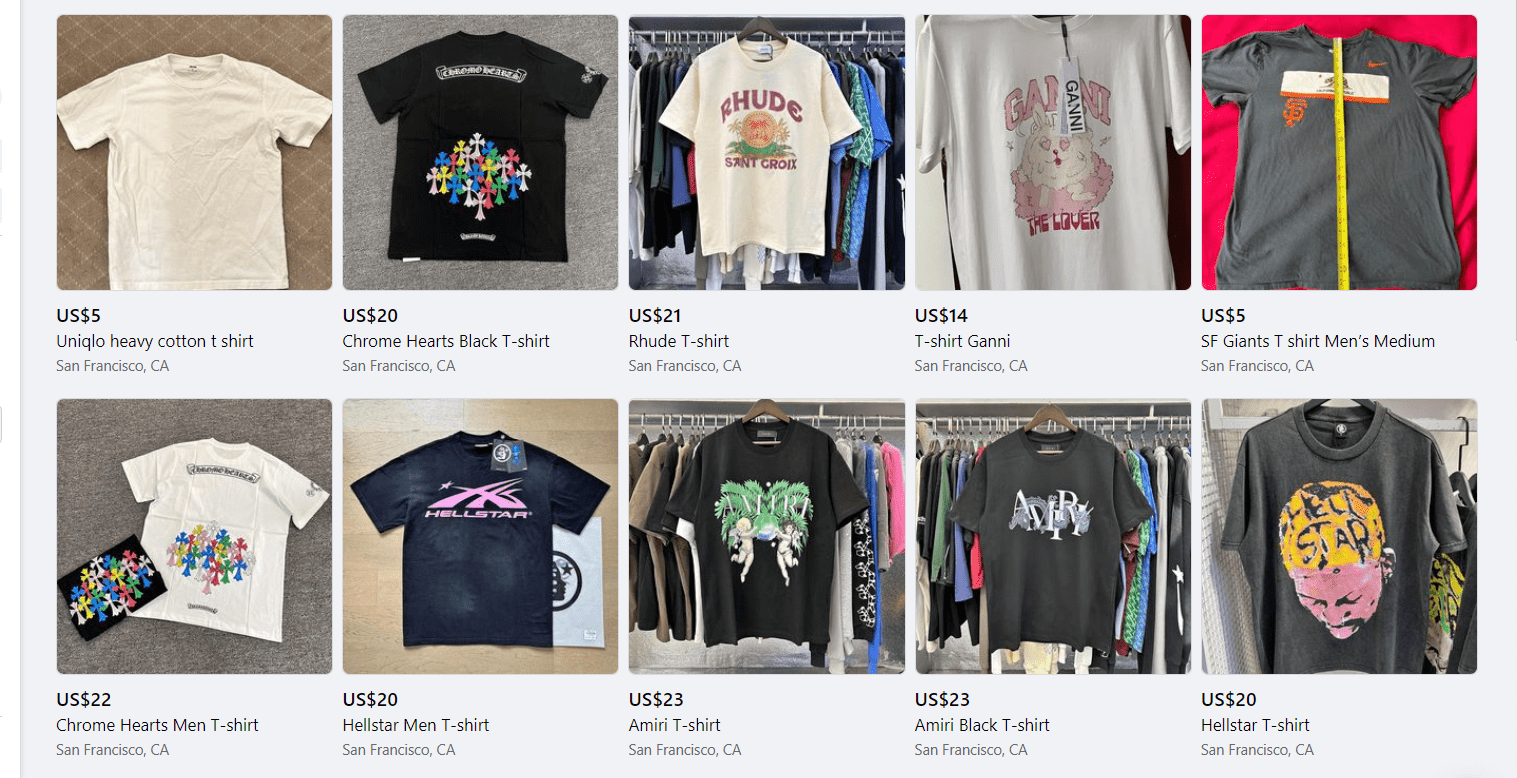
Build the product record before ordering a sample. Review the supplier's specs. The record should cover,
- An original message or graphic for one audience.
- The blank brand, fabric, print method, and size chart.
- The production time and delivery range.
Order a sample in a size you plan to sell. Check the print placement, color, seams, and package, and compare the sample with the listing photos.
Size choice creates the main return risk. Copied logos, slogans, or art can lead to complaints or removal. Skip this candidate if you can't prove the design source, and a supplier that changes blanks without notice also fails the test.
Test one design with a tight size range and one audience. Record which image and phrase start real buyer conversations. That narrow test shows whether the design, shirt, or audience caused a weak response.
2. Phone cases
Phone cases fit supplier fulfillment when every listing names one exact handset family. They're small and easy to show. A niche design can separate your offer from rows of generic cases.
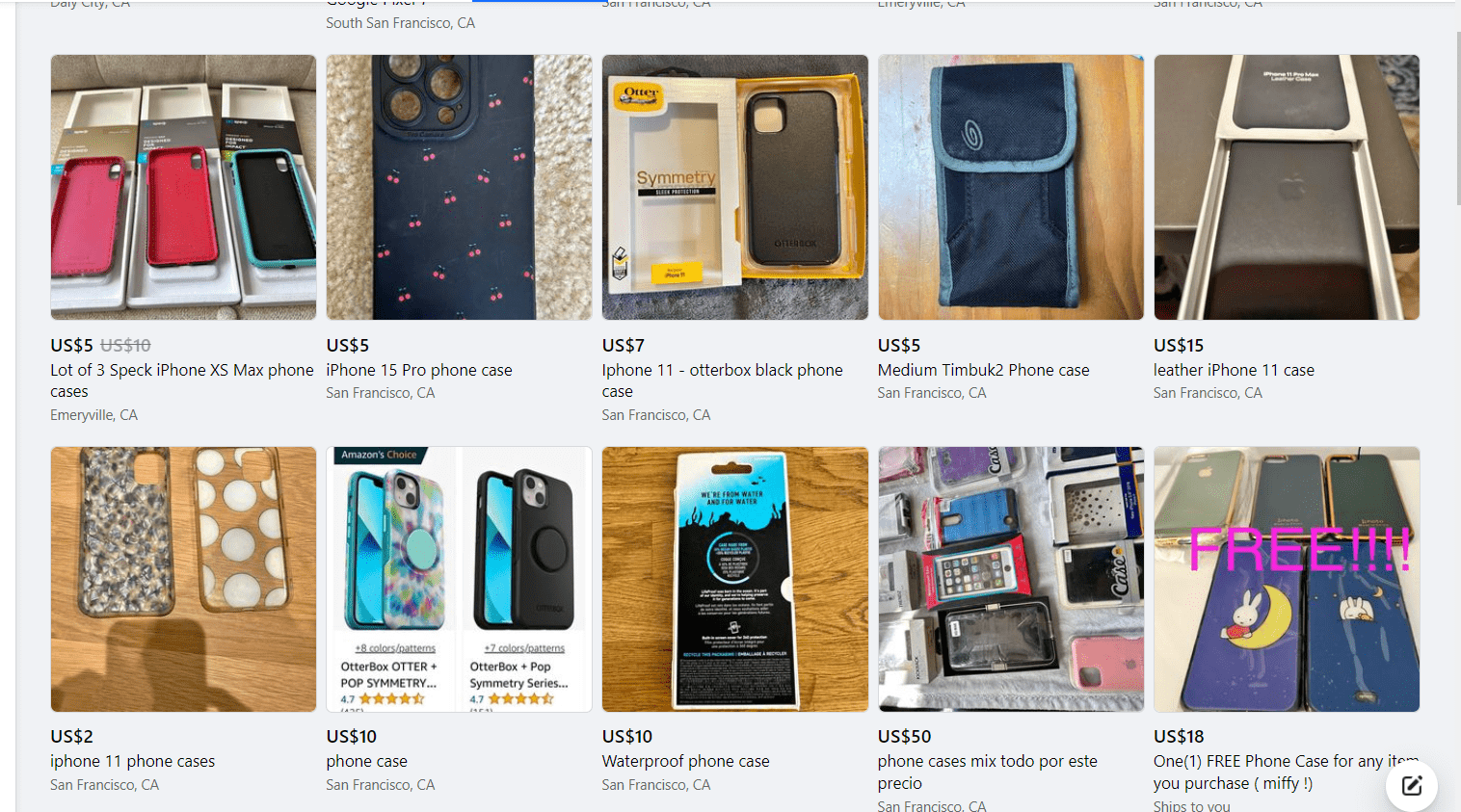
Fit needs its own sample check. Compare the sample with the supplier record. Review these places,
- The named phone generation and supplier model number.
- The camera opening, buttons, and charging port.
- Any wireless-charging claim shown in the listing.
Trust an installed sample over a catalog photo, then photograph it on the named phone. Close views make the ports and camera opening clear. Keep the device wording identical in the title and variant name.
A wrong fit is the clearest way this product fails. Buyers who pick the wrong generation get an unusable case, and dozens of device families also make mix-ups more likely. Price pressure adds another problem because buyers can compare similar cases in seconds.
Limit the first test to one device family and design angle. Current local listings give you a price check against the delivered cost. Write down why someone would choose your case. Pause the idea if that reason doesn't support the price you need.
3. Caps and hats
Caps and hats suit a focused audience that recognizes the design or message at a glance. An adjustable style cuts the size risk, while original embroidery or print makes the item specific.
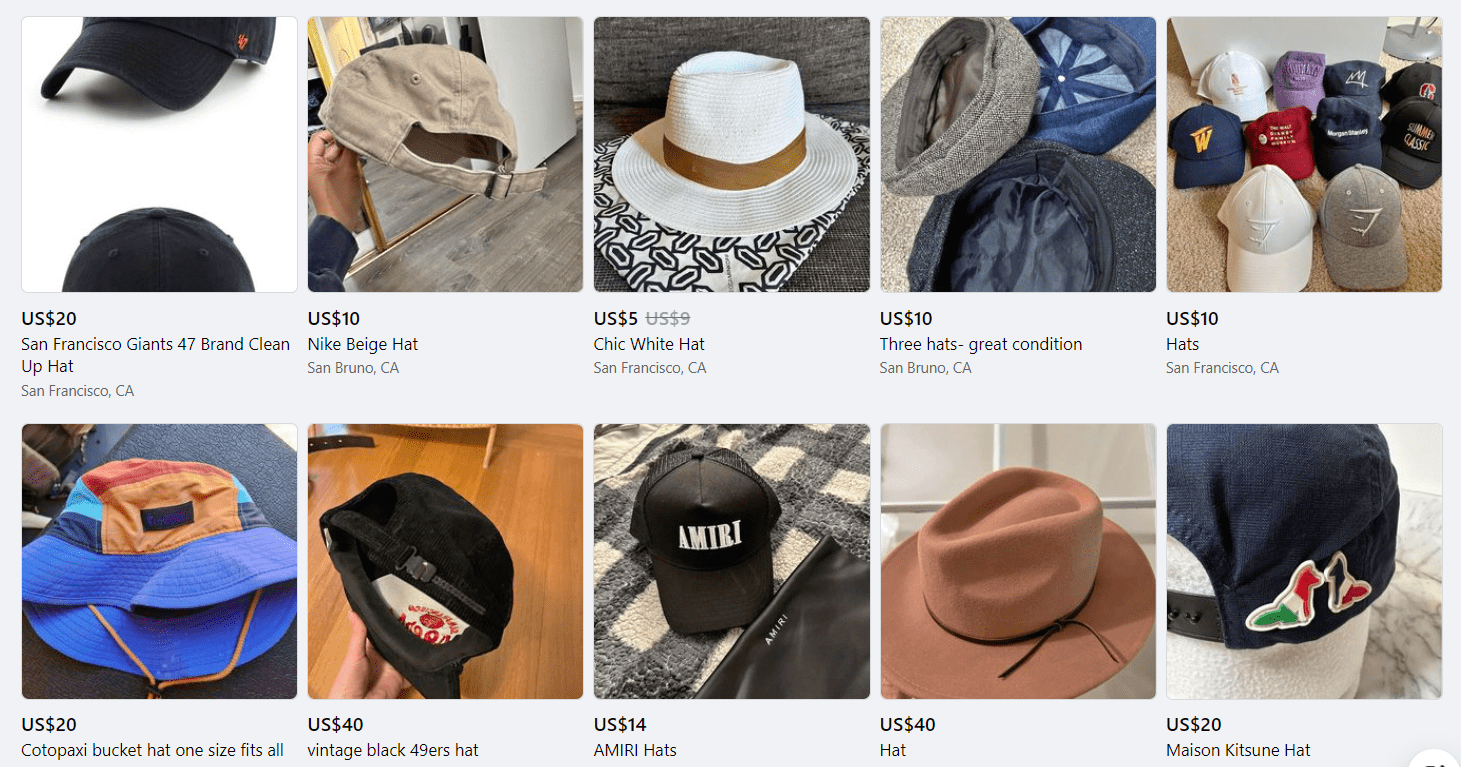
Measure the sample before writing the size copy. Keep the supplier record beside it. Check,
- The closure, head-size range, and crown depth.
- The fabric, decoration method, and cleaning instructions.
- A sample with a firm front panel and centered design.
A fit check should cover both ends of the adjustment range. Photos of the closure and inside band make that range visible. Compare the stated measurements with the sample. A mismatch leaves buyers without a reliable fit guide.
This candidate works poorly when the message is vague or needs a precise fit. Copied brand marks can also cause listing trouble. Use an original design and measured fit. Then screen the words and image together under the current Commerce Policies.
List one adjustable cap for one group, using close photos of the closure, band, and decoration. Sort buyer questions by fit or meaning. You'll know what to fix next from whether buyers question the measurements or the message.
4. Small non-electrical home decor
Small non-electrical home decor works when it's durable, measurable, and easy to picture in a room. Local resale lets you inspect awkward pieces first. Supplier fulfillment can work for compact items that survive normal parcel handling.

Package proof
Inspect the package type the buyer will receive. Record the result. The check should show,
- The width, height, depth, material, and weight.
- Every part in the box and the buyer's actual packaging.
- Any chips, bent parts, weak joins, or color differences.
A familiar object shows scale, but written measurements still matter. Room photos can make a small piece look larger. Exact dimensions help buyers check their space before pickup or delivery.
Poor-fit conditions
Avoid these poor-fit conditions,
- Glass, long shapes, or boxes that make shipping damage hard to control.
- Electrical parts that add a new proof burden.
- A piece that needs special installation to solve its decorating problem.
Start with one durable type, such as a shelf accent or fabric wall hanging. Record which dimensions and pickup area serious buyers ask about. Begin with pickup when you can't price the damage risk. Use supplier fulfillment only after the package survives your planned route.
5. Non-precious jewelry
Non-precious jewelry fits sellers who can describe the material plainly and inspect the finish. The item is light, giftable, and simple to photograph. A material-led style gives buyers a clearer choice than a mixed catalog.
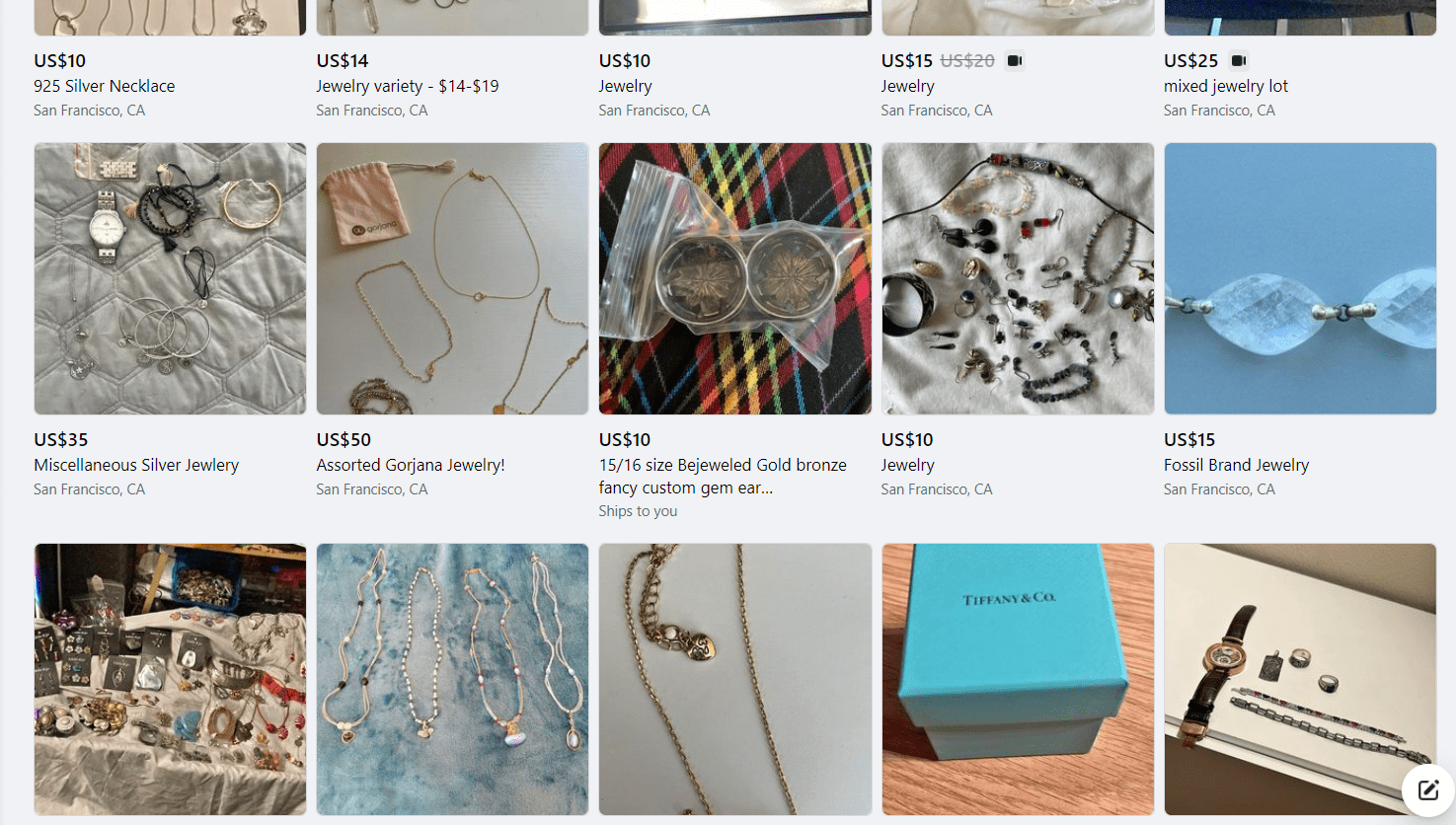
Get the following facts from the supplier,
- The base material, coating, and measurements.
- The clasp type, package, and care instructions.
- The material under any vaguely named finish.
Match those facts to the title and description before listing. Inspect a sample for sharp edges, loose stones, weak closures, and color change. Compare it with the product photo under plain light. A large color or finish gap means the supplier image can't carry your listing.
Unknown materials cause complaints you could avoid. Branded shapes and copied logos raise the risk of removal. Claims you can't prove may also cause refund demands. When the supplier record is weak, holding stock lets you inspect each piece before handoff.
Test one clearly described style in one material. Photograph its clasp, scale, and surface close up, then use buyer questions to find missing details. No supplier material record means no clear offer, so reject the candidate.
6. Non-weapon camping accessories
Non-weapon camping accessories earn a test when one compact item solves a visible outdoor problem. A clear use makes the listing easier to show. Either selling route can work when the item is simple and durable.
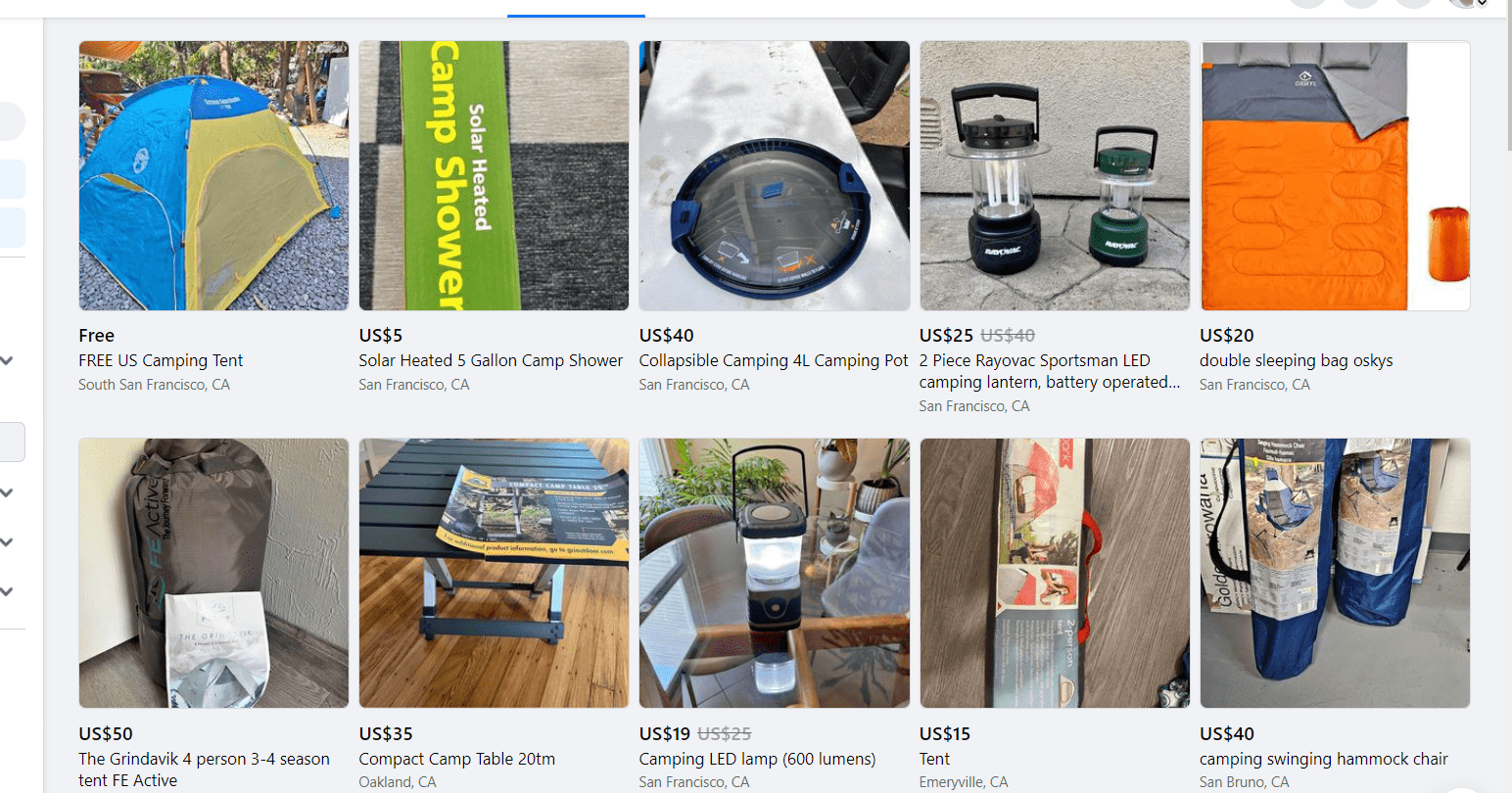
Start with one non-powered use in storage, rain protection, or campsite organization. Record its material, packed size, weight, load limit, parts, and instructions. Use those details to limit what the listing promises.
Test the exact function you plan to show. The sample check should include packing, unpacking, and counting each part. Use it in the stated setting, and show that use in your photos. Leave out any broad supplier claim you didn't test.
The item becomes a poor fit when its use, shape, wording, or bundled parts approach a restricted category. Seasonal demand can distort a short test, so compare interest across more than one week of similar weather. Buyer questions should refer to the use you showed. Stop if the product needs an unsupported safety promise or the supplier changes the included parts.
7. Kitchen organizers
Kitchen organizers work when the listing solves one storage problem with exact measurements. Drawer dividers, shelf organizers, and simple holders can show a clear before-and-after use. Non-electrical items also keep the first proof job manageable.
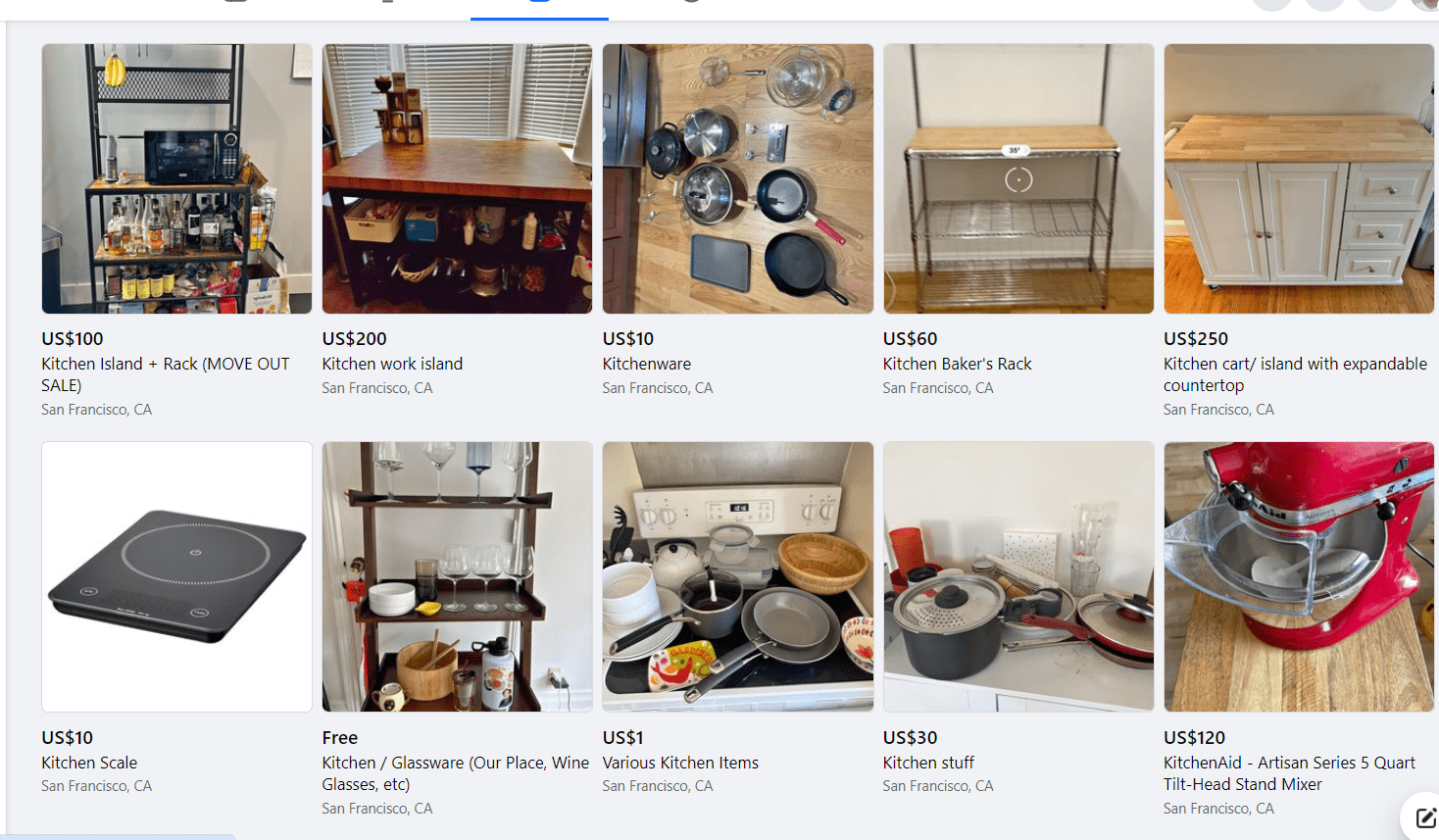
Record the fit details before listing,
- Outside and inside dimensions.
- Material, assembly, care, and any stated weight limit.
- A sample fitted to the drawer, shelf, or cabinet in your photos.
Show the measuring tape in at least one image. Buyers can then compare the product with their own space before messaging you. The packed and finished measurements both matter when assembly changes the usable size.
Size mismatch is the main return trigger. Thin parts can also crack in transit, while a set with many pieces can arrive incomplete.
This shortlist excludes tools that cut, heat, or grind. Drop any result claim you haven't tested.
Pick one common storage problem and show the organizer in that space. Ask early buyers what they measured before ordering. If their answers expose a missing dimension, fix the photo or copy before you test another size.
8. Personalized pet ID tags
Personalized pet ID tags suit supplier fulfillment only when the proofing and correction process is reliable. Their small package keeps delivery simple, but the custom text makes each handoff important.
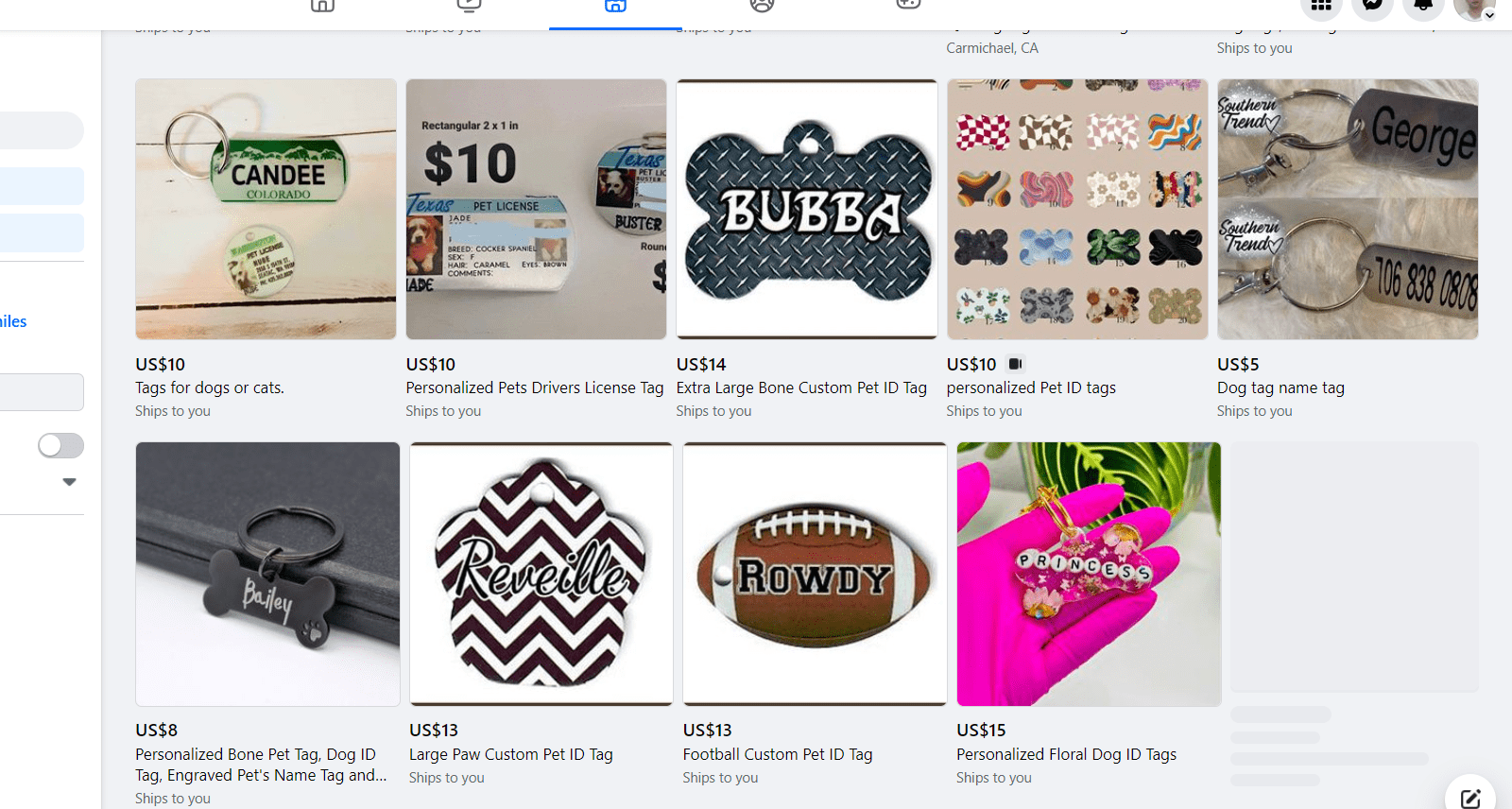
Map each handoff from buyer text to production. The supplier should confirm character limits, layout, material, and its engraving or print method. You also need the production time and its process for correcting supplier errors.
A sample order should include punctuation and two lines of text. Compare the submitted copy, proof, finished tag, and packing slip. That chain tells you where an error entered the order and who should fix it. You can't resell many tags with the wrong custom text.
A late tag breaks a delivery promise that may matter more than price. Skip the item if the supplier won't send a proof or give you a correction route.
Test one shape, material, and text layout. Record which text fields buyers request and whether they approve the written proof. Keep that proof with the order, so any correction can separate buyer changes from supplier mistakes.
The Marketplace Candidate Check
After a product clears its item-level checks, the Marketplace Candidate Check moves it through four dependent decisions.
Run the stages in this order,
- Policy screen: Stop before sourcing when the exact listing fails.
- Fulfillment route: Match the promise to local resale or supplier fulfillment.
- Delivery and returns: Price the full order and likely correction cost.
- Local demand signal: List one candidate only after the earlier checks pass.
Each stage produces the evidence needed for the next one. A failed stage ends the test before you spend more.
1. Screen the exact listing against current policy
Save a dated copy of the exact title, description, images, category, and item that clears your policy screen. Open Meta's current Commerce Policies on the day you plan to list. Record the link and date beside your decision.
Keep the copy, images, category, and planned route in one record. Any change creates a new version that needs another screen.
If the current policy leaves the listing unclear, stop before asking for supplier quotes. Choose another item instead of basing the route and margin on a guess. Meta Community Standards and Commerce Policies both apply to how you present and sell an eligible item.
2. Choose local resale or supplier fulfillment
Choose the route that gives you control over the promised handoff, condition, and delivery time. Local resale gives you possession and a final inspection. Supplier fulfillment saves stock but adds another company to the customer promise.
Write down who stores, packs, ships, tracks, corrects, and receives each return. If no one owns one of those tasks, the fulfillment plan is incomplete.
Confirm that your account and location support the route. Meta says Marketplace sellers can sell locally and offer shipping in some locations.
Match the route to the product's hardest failure. Choose the option that controls it without breaking the delivery promise.
I prefer local resale for the first test when breakage, material, or condition is hard to verify remotely. Supplier fulfillment makes more sense after the sample matches your listing. The supplier must also accept a written service process. Either route now has enough detail for the landed-cost check.
3. Calculate the delivery and return exposure
Landed cost includes the item, packing, delivery, platform costs, and a reasonable allowance for returns or corrections. Put each cost beside the price for the exact destination. Copy the fee and payout timing shown in the selling flow available to your account. Our guide to Facebook Marketplace fees handles the separate fee decision.
Returns need their own cost line even when Marketplace-specific data is unavailable. NRF estimated that 19.3% of online sales would be returned in 2025. The figure covers online retail. Use it only as a reason to model your own Marketplace exposure.
Picture a personalized tag listed at $24 after it passes the policy and supplier checks.
The tag costs $7, packing costs $1, and delivery costs $5. The first order costs $13 before platform charges. A supplier-error remake adds $12 and takes the cost to $25. The candidate fails at $24 before you add a platform fee.
A candidate that needs a perfect order leaves no room for service. The first damaged, late, or incorrect order will expose the missing allowance.
4. Validate a local demand signal before scaling
A local demand signal comes from the buyers, prices, and delivery options in the market you can serve. Search current comparable listings and note price, condition, location, delivery, age, and seller type. Product-research data can suggest a lead, but it can't replace that local check.
Run one accurate listing after the first three stages pass. Lock one price and delivery promise for the test. Set the test window and the fields you'll record before publishing. A single click doesn't prove demand.
Separate messages that fit your offer from vague or unrelated replies. A useful message names the item, asks about a real detail, or moves toward the stated handoff. That distinction keeps raw activity from looking stronger than it is.
The first listing can still return an uncertain result. Extend the test or change one input when interest is thin, and repeated qualified messages are an early checkpoint. Use completed orders and working costs for the scale decision.
Policy and listing screening before you source
Check Meta's current rules and every part of the exact listing before you buy stock or publish. The Commerce Policies are the current item-and-listing source. A fixed banned-products summary will age faster than your listing plan.
Shopify gives a separate baseline for products synced through its Facebook and Instagram channel. Its current guide says the item must ship and have a return policy. The product must also meet catalog specs and Meta policy. Apply those product requirements only when you use that synced channel.
A camping accessory still needs an exact-item review. Its shape, bundled parts, images, and claims can change the policy result even when the category sounds ordinary.
Save these four checks with each candidate,
- Open the current policy from the account that will publish.
- Review the item, category, title, description, and every image together.
- Confirm the selling and delivery route for your account and location.
- Record the date, result, and support answer tied to the listing.
This screen tells you whether the listing has enough current support to justify the next cost. It can't promise approval. Repeat the screen whenever you change the item, words, images, bundle, route, or location.
Summary: Screen the exact listing on publication day because category labels can't settle current eligibility.
How to validate a candidate before listing it
Validation starts after the policy screen and compares a product lead with your market, price, delivery promise, and supplier proof. Write the result down and mark weak evidence as inconclusive.
Product Library filters TikTok Shop items by price, sales, revenue, images, and variants. Use those fields to choose a research lead. Then test it against Marketplace listings and buyer response in your location. For the broader process, see our guide to finding winning products.
Search Marketplace in your area. Save listings matching the model, material, condition, and route. A phone case stays uncertain until you match its handset, design source, local prices, and sample.
Meta said in July 2026 that its Seller app served US users aged 18 and older. It included views, clicks, message threads, and sold listings. Use those Seller signals when available, with buyer questions beside them.
Meta's March 2026 seller-tool update describes more listing and seller features. Cross-platform data can't tell me your local winner.
I wouldn't add stock, variants, or promotion after one weak signal. Set a time window and stop-or-continue rule before publishing. Run another test only after qualified responses repeat and the order process works.
FAQ
Is this local resale or dropshipping?
Choose local resale when inspection, condition, pickup, or bulky delivery matters most. Choose dropshipping when a proven supplier can meet the exact listing and delivery promise.
Can I list an item before I have bought inventory?
List only when your account permits the model and you can fulfill every promise. A supplier catalog page alone doesn't prove availability, condition, or delivery time.
What should I do when my Marketplace listing is removed?
Read the removal notice and compare the listing with current policy. Use Meta's review option if you think it erred, then save the notice and your evidence.
When should I validate a Marketplace candidate again?
Validate before every new listing and whenever the product, policy, supplier, price, route, or location changes. Run the complete screen at least every six months.


